Pope Supports Adult Stem Cell Research

On the condition that the work does not involve human embryos, Pope Benedict XVI reiterated the Roman Catholic Church’s support for stem-cell research.

Adult stem cells exist in tiny numbers within developed organs. This was the topic of discussion at a conference at Rome’s La Sapienza University on research into the treatment of heart disease with so-called adult stem cells. The pontiff directed his comments at delegates attending the conference as he held his traditional weekly general audience at the Vatican.

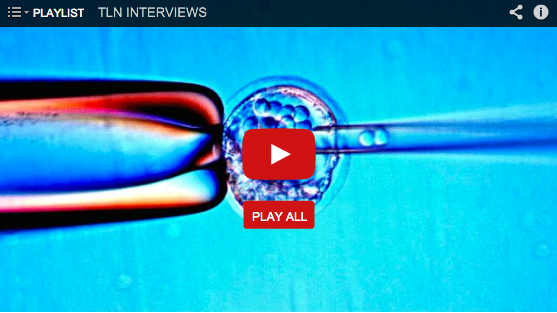
The use of embryonic stem cells is controversial because harvesting the cells involves the destruction of a human embryo. The cells are created shortly after conception.

The church’s position is “clear,” the German-born pope said. “Scientific research should be rightly encouraged and promoted as long as it doesn’t hurt human beings whose dignity is inviolable from the very first stages of existence,” he said.

Based on a conviction that an embryo is a human being from conception and therefore its life cannot be interrupted, the church’s objections to embryonic stem-cell research are the same as its arguments against abortion.

Benedict’s predecessor, Pope John Paul II, outlined the Vatican’s position in a 1995 encyclical, “The Gospel of Life,” saying, “Human embryos obtained in vitro are human beings and are subjects with rights; their dignity and right to life must be respected from the first moment of their existence. It is immoral to produce human embryos destined to be exploited as disposable `biological material.”

The Umbilical Cord Blood Advantage

When cord blood cells are transplanted to patients, a number of ailments have begun reversing their effects as records have proven. Research has shown that diverse treatment strategies for over 70 diseases can be derived from umbilical cord blood stem cells. Where re-growth of cells is necessary for treatment and bone marrow transplants are the current mode of treatment, research is being conducted to see the potential of cord blood stem cells in this category as well.

Researchers claim that bone marrow and its hemapoietic characteristics can be found in umbilical cord blood stem cells as well. The cells that make up the various organs throughout our body can be developed from these particular stem cells. To treat disorders that surface in the various organs, cord blood stem cells are typically chosen due to their versatility. But those suffering from blood disorders make up the majority of the recipients of cord blood according to records.

Platelets, white blood cells, and red blood cells can all be created by umbilical cord blood stem cells. Fanconi, Anemia, adult and child leukemia, lymphoma ,and most other malignant blood disorders are treated with cord blood stem cells for this very reason. Parkinson’s disease, immune system disorders, heart muscle disorders, cardiac diseases like heart attacks, severe spinal cord injuries, and some sight disorders, are among the life threatening diseases that have been successfully treated using umbilical cord blood stem cells.

Cord blood stem cell transplants are most commonly administered to those patients who decide to forgo the painful procedures involved with a bone marrow transplant. Children and young adults have been the primary recipients of cord blood cell transplants. One of the reasons for this is that as a recipient becomes larger, the demands of cell quantity become greater. Most often, the quantity required for adult treatment cannot be found.

Since they are the most primitive cells of the body, they are often referred to as “naive” cells. Thus, where tissue re-growth is needed , they exhibit the adaptability to form the cells of any respective organ. For this reason, the recipient’s immune response is less likely to reject the cells.

Fewer matches of cells can be found for ethnic and racial minorities. Individuals that fall into this category are encouraged to save their children’s umbilical cord blood so that it can be used by their family at a later date if needed. Finding genetically matched cord blood cells is difficult for a few other individuals as well. Others who should seriously consider cord blood stem cell banking are parents of newborn adopted children and those born though in vitro fertilization.

Preserving a baby’s cord blood stem cells makes perfect sense. Offering umbilical cord blood storage, cryogenic facilities or “cord blood banks” are accessible in nearly ever corner of the world today. Since the cells are useful in the treatment of many deadly diseases, they could potentially save a child’s life, or one of his or her siblings, or even another family member. Since it is relatively difficult to find a match for some, those individuals should strongly consider banking as well.

Adult Stem Cells Save Lives

The claim that religion and science are based on fundamentally contrasting ways of understanding our world was made in an article titled, “Believers stonewall life-saving science.” It was written by Johann Hari.

Hari describes a view that he calls science’s strict empirical observation of the world, and says that his support of embryonic stem cell research over research using adult stem cells defies that view. But only a temporary benefit would be achieved with embryonic stem cell research, if any benefit at all. The immune system can reject embryonic cell and they are well known for their tumor production. But treatments for degenerative brain diseases, cancer, and auto-immune diseases have been developed using adult stem cells, and the breakthroughs that involve adult stem cells are lasting and almost always spectacular.

Adult stem cells can supply desperately needed cells and help non-healthy cells to recover. They can assist muscles, tissues, and even organs to recover from disease, and they have the most potential in the field of regenerative medicine.

Adult stem cells can be derived from a vast array of sources which include; amniotic fluid, hair follicles, bone marrow, the placenta, and of course umbilical cord blood.

For the past 40 years we have been turning to bone marrow transplants as a treatment for various illnesses.

Researchers published their findings that the stem cells in fat can be cultured into muscle for organ repair in the proceedings of the National Academy of Sciences.

An often claimed disadvantage of adult stem cells is that they lack the ability to become any type of cell if properly prepared. On the other hand, embryonic stem cells are considered to be totipotent. But this paradigm is shifting.

Some researchers are beginning to claim the same flexibility of adult stem cells, and the potential for cultivating adult stem cells is helping to narrow the gap, especially with bone marrow cells.

Allowing primates with severe Parkinson’s disease to eat and walk unaided, Hari promotes the research being conducted at Yale University. However, the fact that adult stem cells were used to accomplish this significant achievement was conveniently omitted from his point.

Another trail which treated the brains of five Parkinson’s patients using adult stem cells delivered remarkable results. Carried out at the Sussex Center for Genome Damage and Stability by Dr. Steven Gill, there was a 61 per cent increase in the activities on a “daily living” score after one year.

Even though adult stem-cell research has produced the really impressive results, Hollywood celebrities have been in the forefront of the battle for embryonic stem-cell research. It must be the “in” thing to do these days.

Embryonic stem cell research is embraced by Hari who says the cells produce faster results and are less costly.

In this debate, money should not even be considered. Results should be the end all in this argument, and adult stem cells are have clearly proved to be more superior thus far.

But the voices calling for federal funding to be directed towards embryonic stem cell research have become deafening in some cases. With all the validity surrounding adult stem cell research, the only logical answer as to why there is so much unsubstantiated support can be the potential to develop new patents related to embryonic stem cells.

Thousands of patients suffering from about 80 different diseases have been aided by adult stem cell treatments, this is a scientific fact. In stark contrast, embryonic stem cells have never produced one remarkable treatment, or any type of lasting benefit.

Funding for embryonic stem cell research should be limited, this is a bold but wise decision. The time, effort, and energy, which would be saved because of this decision should then be directed at further strengthening the already superb potential of adult stem cells.

Stem Cells Tested in UK Heart Patients

In order to repair the damage caused by heart attacks, British scientists will be trying a new method to treat the condition. Their hope is to regenerate tissue by using the patient’s own bone marrow. Stem cells taken from the marrow will be injected into the damaged hearts.

60 people who have recently suffered severe heart attacks will be involved in the trial which will be lead by Raimondo Ascione of the University of Bristol. The damaged tissue could potentially be repaired by stem cells that will be injected by Dr. Ascione during coronary bypass surgery. The cells have the potential to differentiate into the types of heart cells needed to fix that patient’s hearts.

About 230,000 people suffer a heart attack each year, making heart disease the biggest killer in the UK. Nearly one-third of those heart attack victims die. Because arteries get clogged with fatty deposits, blood supply is restricted, and this eventually leads to a heart attack. The hearts ability to pump blood is reduced when cells in the oxygen-deprived area die causing scarring.

“One in three people will die within two or three years and the remaining people will have a very poor quality of life,” said Dr Ascione. “Your exercise tolerance will be very poor, you will not to be able to enjoy your life. If this [experiment] works you will minimize this … the point of this trial is to do the bypass and try to repair the scar, to make it a viable muscle again.”

A type of stem cell that only forms about 1% of the bone marrow will be used for the experiment.

“This approach ensures no risk of rejection or infection,” said Dr. Ascione.

Scientists will conduct MRI scans of the patient’s hearts prior to the operation and six months afterwards.

“We expect that part we injected to be repaired and it will pump and contract properly,” he said.

Funding the trial with a

Treatment of Heart Disease Revolutionized by Stem Cells

A leading cardiologist is saying that the treatment of heart disease has been revolutionized by the concept of “growing” heart muscle and vascular tissue and manipulating the myocardial cellular environment by using stem cell therapy.

City-based Harvey Super Specialties Hospital Chairman M P Naresh Kumar told reporters that adult stem cells harvested from peripheral blood or bone marrow are capable of replicating, differentiating and promoting heart muscle (myocardial) repair.

He said that recently, adult stem cells have proven themselves to have great therapeutic benefit and clinical relevance for the treatment of heart disease, even though there is still experimental work that must be completed.

Severe heart disease cases that have been treated successfully with adult blood stem cell infusions were cited as examples of recent stem cell success by Kumar. Once such example involved a 53-year-old woman. After all other treatments proved to yield no benefit, the woman, who also suffered from diabetes and high blood pressure was treated using adult stem cells.

A heart transplant was out of the question for her and beyond her means. Her ejection fraction had dropped to 35 percent and she had severe heart failure. Diagnosed with dilated cardiomyopathy, she underwent stem cell therapy as last resort.

Upon discharge following cell therapy, her ejection fraction had already increased to 49 percent. She was infused using a catheter technique via a coronary route.

The accessibility, safety, feasibility, and cost effectiveness, of stem cell therapy was pointed out by Kumar.

He remarked that the treatment cost a relatively small sum of Rs 25,000 (about $610 dollars), where if the treatment had been performed in the United States it would have cost about Rs 40 lakh.

Something Fishy About Stem Cell Treatment?

New treatments to amplify the success of cord blood and bone marrow transplants in humans could be developed thanks to a new discovery related to zebrafish. Blood-forming stem cell production is enhanced due to a natural chemical that is produced by the fish.

The finding was published in the June 21, 2007 issue of the journal Nature. At the Children’s Hospital in Boston, Leonard Zon, a Howard Hughes Medical Institute researcher, led the team. The lead author of the study was a postdoctoral fellow in Zon’s laboratory named Trisha North.

Knee Pain Treated Using Stem Cells in North Carolina

The premiere orthopedic practice in the Raleigh-Durham area, Triangle Orthopedic Associates, is trying to see if cartilage in the knee, the torn meniscus specifically, can be repaired using stem cells. Developed by Osiris Therapeutics, a stem cell product called Chondrogen for the treatment of this common knee injury is being evaluated by Triangle Orthopedics as part of a clinical trial.

Stem Cell Treatment Leads to Improvement in New Jersey Man’s Diabetes

Within one month after being treated with adult stem cells in Cologne, Germany, Calvin who is a retired Fire Captain from New Jersey is reporting lower blood glucose levels and decreased insulin doses. Calvin traveled to Germany with peripheral artery disease and erectile dysfunction resulting from his type 2 diabetes.

Using small amounts of his bone marrow, Calvin was treated at the XCell-Center with adult stem cells derived from his own body. Via the femoral artery, a minimally invasive procedure was used to introduce the stem cells to Calvin’s pancreas directly. Stem cells were also introduced into the arteries that supply the penis and into his calves and thighs in order to alleviate the erectile dysfunction and peripheral artery disease that is common amongst complications associated with diabetes.

“Before scuba diving this past Sunday morning, I injected only 32% of my normal insulin dose. During the day, I ate normally – for a diabetic – without injecting any more insulin. That evening, I measured my blood sugar and I was astounded that it was only 126. A month ago, even with my full insulin doses, I never had readings below 170,” said Calvin.

Calvin is not new to the process, over the past two years his current conditions are in fact the third, fourth, and fifth conditions he has received stem cells for. He was featured in Business Week Magazine after a January 2005 stem cell infusion for coronary artery disease. Then, using minimally invasive surgery he was treated again for ischemic cardiomyopathy in September of the same year.

“Actually, what really got my attention this past weekend was that I also felt a regeneration of heart function

Hunger for Political Power Sends Stem Cell Science Spinning

The debate over stem cell research is enough for people to think that the science is tinted

Paraplegics Return to Normal Life After Adult Stem Cell Treatment

Thanks to a breakthrough stem cells treatments being offered in India, those individuals who have complete paralysis of the lower half of the body could potentially walk once again.

Many paraplegics have been able to return to normal life after being treated at the Lifeline Multi-Specialty Hospital (LMSH). The hospital has nearly perfected the treatment they use to give paraplegics that ability to walk.

The U.S. was among the technologically advanced countries that deemed the use of autologous bone marrow fluids containing stem cells as a futile treatment for paraplegics. But the research and development division of LMSH, The Lifeline Institute of Stem Cell Therapy and Research (LISTR), was able to achieve this very “impossibility” using the self generated stem cells.

The treatments provide a path away from embryonic stem cells and away from controversy.

It was not long ago that the lack of a cure for paralysis confined the man who once played “Superman” on the big screen to a wheelchair. Hollywood star Christopher Reeves supported the research while waiting and hoping during the last part of his life for a cure.

“Using the money provided by the late movie icon to improve the lot of paraplegics throughout the world, we have turned four ordinary people who faced a dismal future into supermen,” said J. S. Raj Kumar, the chairman of LMSH.

After losing the ability to be mobile as a result of rare medical disorders or due to accident, all four of these men had no hope.

But now, with no signs remaining of his debilitating condition, 25-year-old Akbar has made a full recovery. After being involved in a construction accident in Dubai last year, he was brought to LMSH on a stretcher while in a coma. His parents are now searching for a bride so that Akbar can be wed because his recovery has been so encouraging.

“We harvest between 100 and 200 ml of stem cells in fluid form from the afflicted patients themselves and inject them into their spinal cords carefully to bring about this ‘miracle’ that has been cleared by statutory health bodies not only in India, but also in all major premier medical institutions abroad including the US.”

“We have the highest global rate of success of 34 percent after sustained treatment to 50 select patients,” said Raj Kumar.

More remarkable results can be found when one studies the cases of Transverse Myelitis (a devastating inflammation of the spinal cord that can cause irreversible paralysis) sufferer Srinivas, who an aspiring accountant from Chennai, and also Prabhdeep, a musician from Punjab who was paralyzed following a motor accident. Both patients are 19-years-old.

“I had no feeling from the chest downwards after the mishap. Now I can walk with a little help,” said Singh, whose legs were encased in braces and moved with the assistance of attendants and a metal contrivance.”

In his lower abdomen, Srivnivas has now regained feeling. He has also regained bladder control.

The treatment has not been limited to only the young either despite Dr. Kumar’s preference to treat “quicker and better healing” younger patients. After falling on his back from a height of 11 feet about two months ago, 46-year-old A. R. K. Reddy opted for the treatment. He was rendered completely immobile after his lumbar spine was fractured in multiple places.

Today, after the stem cell treatment, the engineer who was employed in a multinational company, has regained sensation in the lower body as well as control over his bladder. He can now stand up and move using a walker.

Paraplegics aren’t the only patients who can benefit from stem cell treatment.

Stem cells can be a viable alternative for cardiac bypass surgeries and liver transplants. LISTR worked on developing stem cell treatments for these other conditions in conjunction with Japan’s Nichi Centre for Regenerative Medicine (NCRM).

“Stem cell therapy can cure disabled livers, rejuvenate tired hearts, and make the pancreas of chronic diabetes patients secrete insulin to reduce dependency on injections and pills for a lifetime,” said Raj Kumar.

The cost is another appealing aspect. With a success rate of below 15 percent and a cost of almost 20 times more, regular treatments like transplants are a waste considering only Rs.150,000 ($3,700 U.S. dollars) is needed for a stem cell treatment.

17 patients have shown marked improvement out of the 50 who are under intensive treatment. Another 100 are waiting in line to benefit from the remarkable stem cell treatments after being inspired by the recovery of so many other patients.