Cord Blood Storage Much More Hope than Hype

One of the first things Chang did when his twin baby girls arrived into the world was to instruct the doctor to preserve a sample of blood from their umbilical cords. Of course, the new father waited until after he was satisfied cuddling them and his wife for the first time.

Chang saw first hand what leukemia can do to its victims, his brother died from the disease. His brother was given two options, chemotherapy and radiation. His only hope, as his white blood cell count continued to drop sharply as treatment after treatment continued, was to receive a transplant of cells that would enable bone marrow to form new blood cells. There is only a very small chance of finding a fitting donor in such circumstances.

An ad for a cord blood bank caught Chang’s eye not long after his brother passed away. The best alternate for bone marrow in such cases, the undifferentiated and primitive cells found in the blood of a child’s umbilical cord would be ideal proclaimed the ad. Chang could not stand to see another family member suffer from the wasting disease, and knowing that hereditary can be a factor in diseases like leukemia, he decided to store the blood.

Change stated that, “If his brother had been able to save his cord blood, he might not have died.”

Newspapers, magazines and even clinics all over Taipei are packed with advertisements for private cord blood banks just like the one Chang saw. Some companies are making extraordinary claims as the competition becomes intense due to the booming cord-blood stem-cell industry that is rising on the island. Some say they have the highest-quality service, others the best technology or they boast being the leading player in the business. With all this, fewer expectant parents are willing to risk the chance of not saving their babies’ cord blood, an insurance against possible illness that may befall their children down the road. This very environment had caused demand to grow by leaps and bounds.

A viable substitute for more conventional stem-cell transplants from bone marrow, the cells derived from cord blood have demonstrated that they are an effective alternative in treating conditions such as leukemia. Individuals with spinal injury and other blood disorders such as sickle cell disease, and metabolic disorders are possible candidates for treatment. Incurable diseases like Parkinson’s disease and Alzheimer’s can be treated with cord blood stem cells as well. Members of the donor’s family can also use the cord blood stem cells for treatment in addition to the donor himself. The use of cord blood stem cells for disease treatment holds exciting promise.

“Cord blood transplants have been widely used to treat children with blood-borne cancers, and we have witnessed successful cases,” said Chiu who is the director of the National Health Research Institutes’ Stem Cell Research Center. “Cord blood is even a better alternative than bone marrow, as it is less difficult to find a matching donor, less painful to extract the stem cells, and less likely the cells will be rejected,” he added. “This is what I refer to as hope.”

Due to the successful use of umbilical cord blood transplants in treating blood and immune-system diseases, private and public cord blood banks have sprung up since the mid to late 1990’s. Using a syringe, three to four ounces of placental blood is drawn from the umbilical cord. In preparation for freezing and preserving the blood, the content of the syringe is deposited in a bag or vial. The family can then use this blood at a later date based on a written contract (binding for a 10 or 20 year period) that the parents sign.

The government medical policy is not the only reason for the thriving private cord blood storage market in Taiwan. Originating from the traditional Han Chinese societal customs, the strong sense of family values in the country has much do with it, said Chris who works for one of the original cord blood banks in the country.

“Children are considered very precious and many parents are willing to sacrifice for their children,” said Chris. “If there’s a chance to save their children someday, then parents can’t afford not to.”

“Moreover, unlike most of the countries in Europe, whose governments are responsible for overall medical services and cord blood cell storage is a public service included in the governmental infrastructure, in Taiwan, cord blood storage is not included in public health services. People have to turn to private cord blood banks instead,” he explained.

In terms of the medical uses for cord blood stem cells, Chris added that there remains an ample prospect for development. The field could have an enormous impact, not only in treating disease, but also in pharmaceutical development and new innovations, such as regenerative cosmetology.

In Taiwan, no more than 5 percent of new parents take advantage of banking, and cord blood storage remains an option only available to those who can afford it. This is despite public donation option plans.

“It may probably cause pressure to those parents who are less well-off because they feel guilty for not offering the best to their children,” said Chou, an associate professor at National Taiwan University’s department of national development.

Successful cases using cord blood to save lives may make physicians and families happy, but it is also used as good PR by private cord blood banks. The idea is uncomplicated: parents pay for peace of mind. Those families who can afford it pay for a sense of security.

As for Chang’s twins, they are now healthy, happy two-month-olds, and blood from their umbilical cords is securely stored in a blood bank.

“We are just trying to prepare for the worst, especially since our family has a history of leukemia,” Chang said. “The best thing that could happen is we never need it.”

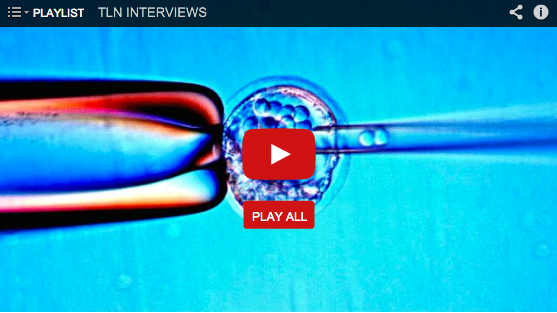
Intermediate Stem Cells Extracted from Baby Teeth

Recently exfoliated (lost) deciduous (baby) teeth may serve a much more important purpose than functioning as trading chips for the tooth fairy. U.S. National Institutes of Health researcher Dr. Songtao became interested about his daughter’s teeth when she lost her first baby tooth at the age of six. Dr. Songtao, who is also a pediatric dentist, was conducting pioneering research by extracting adult stem cells from wisdom teeth. With his background, he took his daughter’s tooth into the lab and was able to extract “intermediate” stem cells. His daughter and even her friend’s exfoliated deciduous teeth were soon being collected.

Much like umbilical cord tissue is now (in a program called SHED, Stem cells from Human Exfoliated Deciduous), Dr. Songtao feels these stem cells should be harvested and “banked” just the same. A company in Texas is actually performing this service already for a one time processing fee of $595, plus $89 per year for storage.

Considered “intermediate”, the stem cells of exfoliated deciduous teeth are extracted soon after the tooth becomes loose. Capable to turning into tooth-forming cells (odontoblasts), fat cells, bone cells, and even nerve cells, they are versatile and much less controversial than embryonic stem cells.

The potential to even cure Parkinson’s disease exists if the teeth are harvested early and stored in liquid nitrogen said Australian researcher Dr. Stan.

It is hoped that the technology will be available to use these cells in many more ways in less than 10 years. Even now, researchers are examining the opportunity of using the stem cells to make dental implants that would be better accepted by the human body, generate new bone to repair the damage of gum disease, and grow new teeth to restore lost ones.

The potential benefit of stem cell research is almost without limit, even though this is a new area for scientists. Our current best efforts in regards to medical treatments may appear medieval in comparison to the new technologies that may develop.

Football Players Store Stem Cells to Protect Careers

News regarding stem cell therapy has taken a new twist as athletes turn to stem cell banking as an insurance policy. According to a report, noteworthy football (soccer) players are preparing for potential career-threatening sports injuries by banking the stem cells from their newborn babies for prospective future treatment. The banking could help the athletes and also help their entire families in the event of injury.

Cartilage and ligament injuries could be treated in the future as players are freezing the cells derived from the umbilical cords of their babies. Even injured organs and tissue could be regenerated because stem cells are the earliest form of cells. Athletes with heart conditions, broken bones, a torn ACL; essentially an entire plethora of injuries and conditions could be remedied using the umbilical cord cells to perform non-controversial stem cell treatments.

“We decided to store our new baby’s stem cells for possible future therapeutic reasons, both for our children and possibly for myself,” said an unnamed Premier League player from a north west club.

“As a footballer, if you’re prone to injury it can mean the end of your career, so having your stem cells – a repair kit if you like – on hand makes sense,” he added.

Using a commercial stem cell bank, five players have frozen their children’s stem cell to date. One would expect the trend to continue given the high salaries that player command. Just as a surgeon could not perform with ALS, a player could not perform without the proper use of a leg or arm. Stem cell therapy using cells that have a portion of matching DNA is beneficial and reduces the likelihood of an immune response.

To protect their children from future illness, more than 11,000 parents have paid about 1,500 pounds in the past 5 years to store their baby’s stem cells in order to grow tissue if needed.

Thousands of umbilical cord blood stem cell transplants have already been carried out in order to successfully treat children with severe blood conditions and immune disorders.

Answer to Stem Cell Dilemma Right Under Our Noses

A neurobiologist who has spent the last 20 years of his life working in the area of neural regeneration believes that adult stem cells are the future of medicine.

During his time conducting research, Alan investigated adult stem cells for the last five years. He discovered surprising information in regard to the technological advances in the field of adult stem cell biology.

What he found shows that the potential of adult stem cells alters the political debate. For the exploration of disease and drug discovery, adult stem cells present a serious alternative to embryonic stem cells for cell transplantation.

Numerous clinical trials are being conducted throughout the world using adult stem cell therapies and substantial advances have been made. Most trials are still experimental but it has been show that the lack of embryonic stem cell use results in a decline in problems. Those include immune rejection and uncontrolled growth.

Stem cells that are multipotent have been isolated from the skin, tooth pulp, brain, fat tissue, and bone marrow. Adult stem cells have been isolated from the organ of the sense of smell in the human nose in Alan’s lab. They are related to those cells found in the brain and are referred as neural stem cells.

Alan and his colleagues have demonstrated the very broad developmental potential of adult stem cells. Far exceeding the expectations of adult stem cells with the ability only to repair the tissue origin, they have been able to induce these adult stem cells to become kidney cells, blood cells, liver cells, muscle cells, heart cells, fat cells, and numerous others.

The utility of the cells is being explored regarding motor neuron disease, spinal cord injury, and Parkinson’s disease; animal models of disease and injury are included as well.

Bone marrow stem cells are being used in cell transplantation therapies around the world by various other groups, thus, Alan and his team are not alone in using adult stem cells for the aforementioned purposes. Cardiac repair after heart attack is just one of the numerous clinical trials where bone marrow stem cells are being utilized.

After stem cell transplantation, most report an improvement in function. Obviating immune rejection issues, in many cases adult stem cells have the advantage that they can be taken from the same patient who needs repair.

Spinal cord injury treatment is another example of the developing therapies that use olfactory unsheathing cells. These specialized cells show promise fro treating spinal cord injury in animal studies. By transplanting them into the injured spinal cods of human paraplegics, Alan hope to get results while undertaking this Phase I clinical trial.

By studying embryonic stem cells and their progeny from the patients, it is often stated that therapeutic cloning will be required to investigate the biology of certain diseases and to find cures.

However, a long and laborious procedure, therapeutic cloning will produce an inexact “copy” of the donor. This is because of the handful of genes that are passed on through the donor egg. Adult stem cells provide an alternative source and answer for these dilemmas.

Relatively, easily obtained and easily grown in a lab in large numbers, Alan already has over 40 adult cell lines derived from persons with mitochondrial disease, Parkinson’s disease, motor neuron diseases, and schizophrenia.

Studying adult stem cells will illuminate knowledge of embryonic as well, but ethical issues stand in the way of embryonic cells. Taking this into regard, the knowledge of alternative technologies should not be disregarded. Adult stem cell therapy is the alternative and in many cases, superior to embryonic stem cell technology.

Offering many advantages over embryonic stem cells, it is important to keep the public and politicians informed of the developments in all the area of adult stem cells.

Knee Repair with Stem Cells Could Help Millions

Injections of bone-marrow stem cells and implanted “cartilage plugs” top the list of wanted treatments, as doctors test innovative processes to stimulate cartilage regrowth in damaged knees.

The cartilage that cushions the knees has only a limited natural ability to repair itself, thus, the knees are are the joints most likely to become problematic. The need for new and innovative treatments is great.

Unlocking the ability for accelerated self repair of the joint is the primary goal.

Those individuals who only require small amounts of cartilage to grow are the preliminary group to try the new alternatives.

The techniques, if they do indeed work, could help people with arthritis as well since their cartilage breaks down over time.

The pad of cartilage referred to as the meniscus, basically the knee’s shock absorber, is the first to be in clinical trials for this treatment. Using cells from donated bone marrow with an aim to regenerate tissue, the outcome is eagerly anticipated.

The meniscus is surgically removed in about 800,000 American’s each year. A painful tear can result in an older person with only a simple wrong step, due to the fact that the pad deteriorates with age. Thus, young athletes are not the only ones who can suffer. Meniscus injuries are commonplace in this world.

Studies have demonstrated that combining knee lubricating fluid with stem cells helps to regrow the meniscus in goats. The adult stem cells are called Mesenchymal cells, and live within bone marrow. These cells can convert into cartilage forming cells called chondrocytes. Is it possible that the cells which serve as building blocks for tissue could also work similarly in humans?

Individuals with half of their meniscus removed enrolled in the study, 55 patients total. The study consisted of a placebo injection or one containing millions of mesenchymal stem cells; these were administered one week after the meniscus surgery.

Researchers are now evaluating each patients remaining meniscus for signs of regrowth using high powered MRI machines.

“No one’s ever looked at the meniscus in terms of volume,” says Dr. Thomas of the University of Southern California, lead researcher for the study.

Preliminary results are due in October and so far there have been no safety problems. The study is still blind so researchers are oblivious to which patients were among the placebo group and which were not.

“It’s very, very exciting research,” says Dr. David, an orthopedic surgeon and sports medicine specialist at Washington Hospital Center in the nation’s capital.

Man with Congestive Heart Failure Seeks Adult Stem Cell Treatment

Powerless to catch his breath, Shelton initially became aware of the fact that his heart was straining while square-dancing one evening.

“He started getting worse and worse,” Shelton said, and he was finally diagnosed with congestive heart failure at Cape Canaveral Hospital in Cocoa Beach.

“I overheard one of my doctors talking to another doctor who said I was on a slippery slope,” and that is when the 74-year-old Merrit Island resident realized the critical nature of his heart condition. Congestive heart failure afflicts about 5 million other Americans.

His relatives felt a hospice was the best choice, a non-curative care center for those individuals whose life expectancy is not anticipated to surpass six months.

While under hospice care, Strickland read about how doctors use adult stem cells taken from the patients own blood, and through an experimental procedure treat and strengthen an individuals deteriorating heart.

Referring to the $34,500 price tag he said, “it is expensive.” The price includes treatment and accommodations for 14 days in Bangkok and is not covered by insurance. “But my kids told me: ‘Go for it.’”

He did; and in late April, accompanied by his wife, Carolyn, he left the country for the adult stem cell operation.

This is a final option that less than a projected 200 patients worldwide have searched out. This adult stem cell procedure involves injecting millions of these early-developmental cells directly into his heart. It has the potential to construct new blood vessels and heart muscle by contributing to new blood vessel development and helping to generate new tissue in the heart.

The clinic states that, “overall, our success rate is 70 to 80 percent, as measured by how the patients themselves feel” after treatment. “At least half feel markedly better; another 25 percent feel somewhat better or no worse; and 25 percent have little benefit.”

Securing a second opinion from a heart doctor in Brevard County and talking with six other heart patients in the United States who had undergone the same procedure helped him make up his mind. The doctor told him, “If it was worth anything, we would be doing it here,” Shelton recalled.

But he was undeterred, and with fluid backing up and accumulating in his lungs and other tissues of the body, Shelton had nothing to lose.

After a sequence of tests to check kidney function and his heart status, blood was drawn from his arm and the stem cell expansion process began. (An average of 20,000 stem cells are extracted during the process and then expanded up to 20 million) A week later the cells were injected directly into his heart.

“They cut a 1.5-inch incision between the ribs, and collapsed my lung, separating it from the heart,” he said. “Then they injected the stem cells into 30 different locations — into the heart muscle, the veins and the arteries.”

After a four day hospital stay following the surgery, Strickland was discharged to his hotel where he relaxed for the next few weeks.

Through surgical operation the cells are directly implanted into heart muscle or akin to an angioplasty, the reinfusion is directed through a catheter.

“Generally, those with severe coronary artery blockage get stem cells through a catheter,” doctors said, “while those in heart failure, like Mr. Strickland, get a direct injection into the heart.”

Now, approximately three months following his operation, his heart is pumping far more efficiently than it did — a doubling in his ejection fraction from less than 10 percent to between 20 percent and 25 percent — he already has been hospitalized once since his return, because of fluid accumulation around his heart again.

When asked about his progress so far he stated that, “I can change the oil in my car and put up storm shutters, but that’s about it.”

But he has been told it will be “a while” — at least a year — before the stem cells begin to fix his heart tissue, he said. And he is no longer in hospice care or on daily oxygen.

Now he follows the advice of his heart doctor in Cocoa Beach and sends back his test results to his doctors overseas every three months.

“He said: ‘Just stay active and do what you feel you can do,'” Shelton said. “There is no other option.”

Cord Blood Stem Cells Help Fight Juvenile Diabetes

To find a superior treatment for juvenile diabetes, scientists have turned to a young boy.

Seven years ago, when Liam was born, his parents Steven and Beth opted to store his umbilical cord blood as an insurance to treat potential future illness. Now that Liam has diabetes, doctors have been injecting stem cells taken from the umbilical cord blood to try and slow, or possibly even stop, the progress of his diabetes.

For the national pilot study at the University of Florida, there are seven other children undergoing similar transplants using stem cells from their own umbilical cords.

Patients with juvenile diabetes, if left untreated, can fall into a coma or suffer kidney failure. Insulin-producing cells in the pancreas are destroyed by this autoimmune disease. More than 1.5 million Americans, including 125,000 children are afflicted with juvenile diabetes. Also known as type 1 diabetes, there is no cure for this disease.

Cancer and dozens of other blood disorders are regularly treated using stem cells taken from cord blood. Easily stored in blood banks, the stem cell rich cord blood can be extracted from the umbilical cord minutes after a baby’s birth.

The lead doctor in the study spends much of his time of the phone cautioning parents about keeping their expectations realistic due to the anticipation the stem cells can be successful in fighting juvenile diabetes.

“It’s important not to destroy their hope,” said Dr. Michael, a pediatric endocrinologist. “Everybody wants to cure diabetes. But this is a pilot study. It’s unlikely to be the Holy Grail.”

But it has helped Liam. His body is now fighting off the progression of the disease. His blood glucose levels decreased after the infusion. Prior to being injected, doctors were saying he would need regular injections of insulin because his blood glucose levels were rising.

A urine test detected excessive glucose in his system back in December, soon after the test, he was diagnosed with diabetes. Insulin, a hormone that regulates the body’s metabolism of carbohydrates, including glucose, was still being produced by his body in small quantities. This early diagnosis and circumstance is often called the “honeymoon” phase of the disease.

“There’s no magic pill to stop the process,” said Liam’s father, Steven. “As parents, you feel you’re helpless. You see what’s happening to your child.”

Surfing the web late on a December night, Liam’s mother discovered the Florida stem cell study while researching juvenile diabetes. She thought back to when Liam was born and remembered the cord blood bank that she paid to store his umbilical cord blood.

She enrolled her son in the four-year clinical trial.

“We feel God was with us,” she said.

Before taking Liam for his transplant at the university in Gainesville, the family visited the Kennedy Space Center and Sea World as a treat.

“You’ve got to have some sugar with your medicine,” Steven said.

Liam received the stem cells in an intravenous infusion after having some blood drawn. The procedure took only half an hour to complete.

To avoid rejection, Liam’s own cord blood needed to be used. There is a chance of rejection even with stem cells from a parent or sibling.

The clinical trial intends to enroll a total of 10 or more children. Currently there are five girls and three boys, all between the ages of 3 and 7.

The study requires using all of a child’s cord blood. This fact may deter some families because if the child gets another disease there won’t be any cord blood left to use. This will most likely change however, as storage facilities improve freezing and thawing processes that tend to destroy cells, and also begin keeping cord blood in more than one vial. Other methods of producing and preserving cells may also emerge.

At a cost of roughly $1,500, taking blood from a cut umbilical cord takes only a few minutes. A blood storage fee of $100 a year generally applies as well. Storage has become increasingly popular since blood banks began storing cord blood in the past decade. Most decide on the option in case a child or relative becomes ill.

Opposed to cells extracted from bone marrow, cord blood stem cells have more potential to develop into specialized cells needed to help a body fight disease. They are also easier to obtain than bone marrow cells and less controversial compared to those cells taken from human embryos.

The study at the university seeks to stop the autoimmune process but, “to cure diabetes, cord blood stem cells may be combined in the future with other medications, such as immune suppressant drugs, in a mix similar to “cocktails” given to cancer and HIV patients,” Dr. Michael stated.

Meanwhile, Liam’s parents are thankful to be able to hold off on having to give their son’s insulin shots.

“Liam should be getting worse, not better,” Steven said.

“You’re happy about that, right?” said Liam.

“We’re absolutely happy,” said his father, a medical equipment sales and service engineer.

Causes of the disease include genetic predisposition and other factors such as viruses or being overweight. Of the three siblings, two have diabetes, but their father does not.

“We’re not saying this is the end-all,” Beth said. “But it gives people hope. That’s why stem cell research is so important.”

Blind Man Pins Hopes on Revolutionary Stem Cell Treatment

Lebers robbed 24-year-old Phil of his vision but he plans to have ground-breaking stem cell treatment to repair his eyesight. This will be the first treatment of its kind and if successful, Phil hopes it will let him see his fiancée Yvette for the first time in three years.

Phil has trouble making out colors and the world appears blurry most of the time due to the nerve damage the genetic condition has caused.

“It is a bit scary being the guinea pig for this,” said Phil.

“But ever since I found out this might be a way of getting my sight back, even if it just makes it a little better, I’ve been up for it.

“Doctors say that in theory it should work,” he added.

Just weeks after he started dating Yvette, the then 20-year-old Phil lost his eyesight overnight.

“We only started going out when he started having problems. But he hasn’t changed a bit,” said Yvette, the 23-year-old customer service worker.

“He has the same sense of humor and outlook on life. He’s incredible.”

Yvette added, “I’m worried about this treatment. But Phil faces the possibility of waking up with no sight as it is, so he really has nothing to lose. But whatever happens, I’ll love him for who he is. He’s my angel.”

During a night out with friends in May of 2003, Phil started to notice his eyesight was getting worse.

“Things were really blurry and I couldn’t make out people’s faces until they were really close to me. It was pretty terrifying. I went to the optician the next day. They said there was something wrong but did not know what and said I should go to hospital. I went to the Southern General in Glasgow and was admitted for two days for tests. I was petrified. I thought I might be dying. My mum, Trisha, died of a blood clot on her brain 12 years ago and I was terrified I had that,” said Phil.

Doctor’s determined that Phil was suffering from Lebers, a condition that affects only about 100 Scots, after conducting six months of tests.

“I’d never heard of it but I have found out it is a genetic illness passed on by a mother to her child,” stated Phil.

“In nine out of 10 cases it is sons who get it, and usually in their early 20s. So I was a classic case.”

In December, Phil will be traveling out of the country for the £10,000 pound stem cell treatment since it is not licensed in the UK. Phil heard of this particular clinic when a story broke that they had successfully treated individuals suffering from multiple sclerosis.

Thousands of stem cells taken from an umbilical cord will be injected into Phil’s body, half in his arm, a quarter in his left temple, and the final quarter in his right temple.

Having the potential to act as a “repair kit”, stem cells are the “building blocks” of the body and can turn into any tissue as well as copy themselves.

The clinic is one of only a handful in the world that presently carries out stem cell therapy.

Doctor’s at the clinic stated, “We’ve never treated this condition before. We could not give Phil any outcome data but could give him an assurance of safety. Stem cells have been shown to repair and regenerate nerve cells so we hope for success.”

“There is so much I want to do with my life and to do it the way I want to, I need to be able to see better. Doctors here say a cure for this in the UK is at least 15 years away.” added Phil. “I have to admit I’ll be totally gutted if it doesn’t work. I hope to have my sight back in time to see my nephew, Connor, open his Christmas presents. He’ll be 22 months and it’ll be the best present ever to see his wee face when he opens his parcels.”

As a result of the condition, Phil has had to adjust almost every single aspect of his life. Simple routines such as brushing his teeth, making a cup of coffee, or even getting dressed are becoming more and more complicated.

Watching football matches, reading, driving, are all now things of the past. Watching TV farther than a foot away from the screen is not possible, and even at a close distance, the picture is completely blurred. He even needs assistance from friends to help him buy the right products in the correct sizes when he goes shopping.

Phil refuses to let the illness get him down, even though the reality is that without treatment he could end up completely blind.

“I have good days and bad days, like anyone. But there is no point feeling sorry for myself. I am determined to get on with my life. I like to feel like everyone else and don’t like people feeling sorry for me,” said Phil.

Taking part in charity events, Phil has to raise all the cash to pay for the procedure.

“It has been a case of thinking of any way I can of getting people to donate. My friends and family have been a great support and I am getting there,” says Phil.

Without his fiancée Yvette, he says none of the fundraising would have been possible.

“She is my inspiration. She helped organize all the charity events and her positive attitude keeps me going. I’d be lost without her. I can’t wait for the day I can see her properly again and to watch her walk down the aisle. I’ll be the happiest man alive.”

One Giant Step, a Man with MS Hopes to Walk Again

Life was crushed for Chris, being diagnosed with MS five years ago; he has lost the use of his legs and is now in a wheelchair. But he has decided to fight his multiple sclerosis by arranging stem cell treatment, eager to reclaim the ability to walk. The 40 year old Chris now imagines playing football with his two young sons and later walking into a pub with them when they are older.

Leaving Chris incapable of walking, with deteriorating eyesight and the inability to control his bowel movements and bladder, the muscle-wasting disease took hold quickly.

After treatments were unsuccessful at the Hunters Moor Rehabilitation Centre in Newcastle, doctors told him there was no hope left.

Caretakers visit Chris’ adapted home, in Centenary Avenue, Harton, South Shields, several times per day; he needs to be hoisted out of bed every morning.

Taking 33 tablets a day to control the symptoms of MS, the daily mix is not his only worry as he was just diagnosed with diabetes this year.

After being accepted into a stem cell treatment program at a clinic in Holland, the thought that he may be able to walk again is the one thing keeping him going. After reading an article about a woman with MS who had regained the ability to walk after being treated at the same clinic in Holland, one of the caretakers told Butler about the clinic.

Chris, the former line manager, needs to raise 13,000 pounds to pay for the cost of the treatment which is still being researched in the UK.

The cost of accommodations and travel for him and two caretakers would take the figure closer to £20,000.

He said: “I can’t move anything from the waist down, and I’ve got pins and needles in my hands all the time. I used to cry and wonder ‘why me?’ I only kept going for my two little lads. I’ve got to keep my head up.”

“I want to walk. I want to be able to play football with my sons. I want to be able to take them for a pint when they are older,” said Chris.

“I know there’s a risk the treatment might not work – I’ve just got to hop,” he added.

He remains close to Kris, 12, and Stephen, nine, who live with their mum, although the illness has cost him his marriage.

Helping to regain movement, the cells restore damaged nerve transmitters and boost brain signals to the rest of the body say doctors. The treatment would consist of stem cells taken from umbilical cords being injected into Chris’ damaged cells.

Affecting more than 85,000 Britons, the cause of MS – the gradual degeneration of the nervous system – is still not fully understood.

Skin Cells Show Potential to Grow Into Organs

Resembling an embryonic stem cell, a new pluripotent cell has been generated using a mouse skin cell by researchers at Kyoto University in Tokyo, Japan.

A U.S. scientific journal named Cell recently noted in their online issue that Prof. Shinya and Assistant Prof. Kazutoshi created a new pluripotent cell that has comparable characteristics as embryonic stem cells. This will give the new cell the capability to grow into organs and tissues just like embryonic cells. The professors named the new cell induced Pluripotent Stem, or iPS for short.

Extracted from an embryo, the use of the embryonic stem cell in medicine is ethically controversial. Since an embryo is not involved, the iPS cells would purge any ethical concerns. Although the new cells are derived from mouse skin cells, the future may bring the emergence of human iPS cells.

Adult-stem cell therapy has shown its effectiveness, but the thought of converting adult stem cells and making them function similar to embryonic stem cells would open even larger doors for treating patients. Individuals undergoing transplants could have new organs with identical genes as their own. There would be no immune response clearing the issue of post operative rejection, and also, no ethical dilemma.

The group speculated that amid the important gene factors in an embryonic stem cell, there should be a number that can reprogram somatic cells and induce pluripotency that are characteristic to the factors in an embryonic stem cell in early development.

Taking a skin cell extracted from a mouse tail, the researchers picked up 24 candidate gene factors and implanted four of those gene factors, including Sox2, into the selected skin cell and cultivated it.

Taking on a comparable pattern to embryonic stem cells after only two weeks, the skin cell with the four gene factors changed.

In three weeks, the new iPS cells formed tumors called teratomas containing nerves, digestive tissues and cartilage after it was reintroduced to the mouse body. The cell also developed heart muscle cells and nerves, and displayed signs of a pulse on a culture dish. This would validate the cells pluripotency.

iPS cells can be created without involving a generative cell using this method.

Yamanaka said, “We’ll continue the research and try to make iPS cells from human skin cells, and then be able to offer regenerative medical treatment using the cell.”

“It’s been considered impossible to create an ES cell from a somatic cell without using cloning technology, but (Shinya’s group) succeeded in generating a cell similar to an ES cell from a mouse somatic cell. This brought hopes that the same technique could be applied to human cells,” stated Teruhiko a team leader of Riken Center for Developmental Biology.

He added, “Regenerative medicine will definitely make progress in this direction in the future.”