Adult Stem Cells to Be Used in Heart Study

A national study that will examine whether our own blood stem cells can repair the heart will be available to individuals with severe angina that have limited treatment options.

Because of narrowed coronary arteries, certain areas of the heart don’t receive adequate oxygen. Researchers hope stem cells will stimulate the growth of new blood vessels, called angiogenesis, in these areas.

As many as 20 patients could join the study which is being conducted at the University of Pittsburgh School of Medicine, said principal investigator of the study’s local arm, Dr. Joon, clinical director of the UPMC Cardiovascular Institute. Six patients have enrolled thus far.

The trial will be conducted at 15 to 20 different medical centers requiring a total of 150 coronary artery disease patients.

Dr. Joon explained that the study is aimed at people with what we would call refractory angina, or chest pain and shortness of breath that’s coming from inadequate blood flow to the heart. Many of the study participant’s have already had bypass surgery or other procedures. However, they continue to have symptoms.

To increase the number of stem cells in blood circulation, study participants will take a drug for five days that will facilitate this boost. Upon the completion of the initial boost, the researchers will draw blood form the patient and collect and purify the stem cells in it.

Sophisticated cardiac navigation systems will assist the doctors with the process of injecting the cells back into the patient. Following the procedure, patients will receive MRI scans and other assessments in addition to being monitored with a symptom and activity diary and exercise testing.

Those who may be eligible for the stem cell trial include adult patients who are taking maximum medical therapy for severe coronary artery disease and are not candidates for angioplasty, stents, bypass surgery or other conventional treatments.

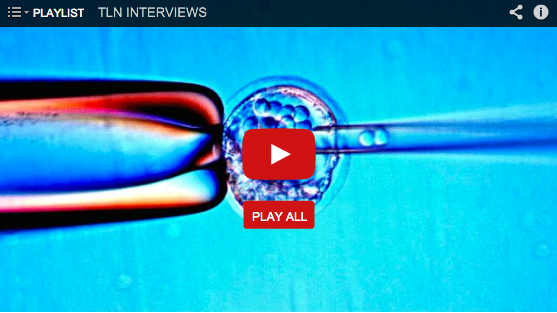
Struggling with Multiple Sclerosis, Man Goes to Mexico for Stem Cell Treatment

Read about Ed’s progress and see video after treatment on October 30th, 2006.

Alzheimer’s patients at a nearby nursing home were often kept company by Ed and his stepson Chris during their free time. But after Ed’s legs were hobbled and his energy sucked out of him by multiple sclerosis, he no longer could make the visits he and his son had grown accustomed to. But umbilical cord stem cell treatment may allow Ed to add the visits into his schedule once again.

Next week, John plans to journey to a Mexican treatment clinic because the federal Food and Drug Administration has not approved domestic treatment due to stem cells still being in the early stages of research in the states.

“Other countries have been doing this for years,” Ed said. “It’s the only hope.”

Ed has been relying on herbal and spiritual treatments to alleviate his symptoms as a substitute for conventional treatment for some time.

“All the medicine out there is toxic,” Ed said. “Everything I’ve heard is you take a pill and something else happens.”

The central nervous system is affected by multiple sclerosis and the hope is that stem cells can rebuild the damaged nerve cells.

A political barrier has been erected over ethical and religious concerns and this has hampered American research.

Instead of controversial sources of stem cells coming from embryos and aborted fetuses, Ed’s cells were derived from umbilical cord blood. It will take about an hour for Ed to receive his injections.

Ed reminisced about his sons Jason and Chris; he used to have stamina for street hockey and pickup football.

“Now I can’t do any of that,” said Johns, 43. “I went from working full time and now I work two hours, four days a week.”

Ed was not diagnosed until he was 30, but he thinks he has suffered from some form of multiple sclerosis since he was 10.

“He always had trouble walking,” said Ed’s mother, Joanne. “It never showed up as MS.”

Now walking with a cane, the multiple sclerosis has brought on extreme exhaustion, blurred vision, bladder and bowel problems, and depression.

“The legs feel like you have 100 pounds of extra weight,” Ed said. “Sometimes the feet just drag.”

Even though he is not guaranteed to get the exact life of a non-multiple sclerosis patient, after reading up on stem cell treatments, he is confident he’ll get a desired result.

“Across the board, everybody gets more energy and the depression seems to leave,” Ed said. “That’s at least what you’ll get.”

Jason, the 24-year-old National Guardsman last saw his father in April before moving to North Dakota. He said his father has run the gamut of conventional treatments and that his condition has deteriorated.

“I’m hoping to see a 100 percent turnaround,” Jason said. “If it’s not a complete difference, I hope it gives him energy.”

Joanne supports her son’s decision to go to Mexico for treatment he can’t get here.

“If you are hoping and pray it will do something good you have to take a chance,” she said. “We hope it’s what he is looking for.”

The treatment is expensive so the goodwill of others to finance his treatment, aside from his family, is what Ed has relied on.

Ed’s co-workers from the call center he works at donated $3,600 to help pay the cost. His boss Brett recalled how Alzheimer’s patients at the nearby nursing home were treated to roses on Valentine’s Day and gifts during Christmas… all brought by Ed.

“I’ve never seen anyone be that genuine before,” said Brett.

Take Heart: Promising Results with Stem Cell Therapy

When Florida doctors could do no more to improve his failing heart, Jack flew to Thailand for help.

In an experimental procedure to improve the heart’s ability to pump blood, stem cells from his blood were multiplied by the millions and put into his heart.

Improvement wasn’t certain, and at the Bangkok Heart Hospital the treatment cost him between $30,000 and $35,000.

The Lakeland man wasn’t willing to risk not receiving the operation. Without the procedure, Jack would have been giving in to his steadily worsening congestive heart failure.

“My thoughts were `I don’t have much time left and I’m going to do what I have to do,’ ” said Jack, who is 76.

When he left for Thailand, the percentage of blood pumped from the heart each beat – his ejection fraction – was 20 percent or less, Jack said. Anything below 35 is low; normal pumping ability is 50 to 75 percent.

Jack is happy he got the procedure because his pumping percentage began to increase only four months later to 23 percent. Jack is optimistic that it will continue to go up instead of down.

“I can tell I’m much stronger on the inside than I was,” he said. “If I can make the same progress in the next three months . . . I’ll be in good shape.”

Don Ho, a world famous singer who is well known for “Tiny Bubbles” and “The Hawaiian Wedding Song” had the same procedure done late last year. Jack decided to get the treatment after seeing the improved condition of Ho.

The treatment isn’t mumbo jumbo, although it is still considered experimental.

A growing number of researchers in the United States and abroad are studying whether cellular treatment, using a patient’s own stem cells, can present enhanced health for many patients.

With the potential to develop into many types of cells, the range of stem cells cannot be questioned.

The use of adult stem cells avoids many of the ethical and moral disagreements inherent in embryonic stem cell use, which has dominated public discussion of stem-cell treatment thus far.

Doctors want additional treatments to offer their patients, especially with an aging population and the increasing number of heart-attack survivors with damaged hearts.

“I’m very excited about it,” said Dr. Kevin, a Lakeland cardiologist and director of Watson Clinic Center for Research.

“The future of this whole area may revolutionize our care of people with weak hearts. . . . That’s one of the most cutting edge approaches that’s happening, but it’s a little ways off.”

Before accepting him as a patient, Jack said his cardiologist, Dr. Luis, was very cooperative in providing the doctors in Thailand with information. Dr. Luis could not be reached for comment.

Jack said concern arose amongst the heart doctors in Thailand as to whether his heart would be able to accept stem cells.

However, it was determined that more than 50 percent of his heart was in good shape when Dr. Luis tested him.

“Though that operation is not legal in this country, supplying the supporting information is not illegal, so Clark & Daughtrey (Medical Group) gave them records back to 1999,” he said.

In 1977, Jack had a heart attack. A double bypass, valve repair and surgery to peel away scar tissue were performed in 1999. The procedure didn’t end his weakness in his heart’s pumping mechanism, but it did by him some time.

“Congestive heart failure is a breakdown in the heart’s ability to squeeze out liquid,” he said.

There was a lot of information to assess prior to being accepted as a patient for stem cell treatment.

Jack had extreme weakness and suffered from hallucinations last fall when he was admitted to LRMC. It was with the understanding that he would get hospice care when he finally went home, said Jack.

His mind and heart weren’t prepared for dying.

“You join a hospice to have a comfortable death,” he said. “That’s why I joined, but I fooled them.”

While researching Jack’s condition online, his daughter Susan found information about the procedure.

Dr. Luis continues to monitor Jack’s heart. His experience is different form that of another Florida man whose doctor actually dropped him as a patient after he received stem-cell therapy.

Jack agreed earlier this month to talk about his experience and the stem-cell treatment at a Lakeland South Rotary Club meeting, and he is eager to make others aware of the procedure.

Jack and his wife, Norma, spent three weeks in Thailand.

Tests occupied one week. Another was spent sending the blood to a lab in Israel, where the stem cells were multiplied, said Jack.

Receiving the cells involved two incisions, a small one on his right side and another, about six inches long, on the left side.

“The most difficult part of the whole thing was the trip back,” he said. “A 24-hour day became a 36-hour day.”

Environment Changes Cause Adult Bone Marrow Stem Cells to Diversify

Bone marrow cells appear to have the capacity to replace any cell in the body by being coaxed in a number of diverse ways.

In San Francisco, the American Chemical Society hosted three presentations at its annual symposium in early September that will hopefully confirm this hope. The papers that were presented all discussed similar findings.

1. All the researchers evaded the ethical questions raised by the use of embryonic stem cells by conducting their experiments using adult stem cells.

2. Typically the precursor to blood cells, the adult stem cells that were used can become solid organ cells or even nerve cells as all three of the papers concur.

3. The papers agreed that by altering the physical environment in which they grew, the adult cells were able to become pluripotent.

The bone marrow cells were encouraged by researchers at the University of California, Berkeley. It was there that the cells were coaxed and given the direction needed to become blood vessel cells.

To get the cells to align properly, Kyle, a Berkeley scientist was able to compel the cells to attach to an elastic membrane which had grooves specific for the job.

For several days, the membrane was constantly relaxed and stretched. Smooth muscle cells were created by this exercise, the kind of cells that make up blood vessels.

The newly-formed smooth muscle cells, which can also expand and contract, may possibly be used as a component of a tissue-engineered graft that could provide superior performance over conventional grafts that are used for bypass surgery.

In the body, stem cells attach to the walls of blood vessels as Kyle points out. The cells naturally stretch and contract as blood is pumped through these arteries.

“If a cell cannot flex its muscles like Arnold Schwarzenegger, it cannot build its muscles,” Kyle said in a news conference. “Gov. Schwarzenegger got big biceps by lifting dumbbells … It works the same way for stem cells to become smooth muscle cells. They have to sit in culture day in and day out lifting weights.”

In a second presentation, a professor of chemical and biomolecular engineering at the University of Pennsylvania, Dr. Dennis presented the notion of stem cells feeling their environment. What they feel determines what they become.

The team lead by Dr. Dennis was able to develop soft nerve cells, rigid bone cells, and soft muscle cells, by changing the environment of adult bone marrow cells. A rigid, stiff, or soft environment determined the outcome of the cells. Based on resulting cell shapes as well as messenger RNA and protein markers, stem cells grown in more rigid environments — like bone — produced bone-like cells; those grown in environments with medium elasticity — similar to muscle — produced muscle-like; and stem cells grown in softer environments — such as brain tissue — tended to produce nerve-like cells.

The cells required stimulation from the proper mix of chemical messengers to complete the process as Dr. Dennis and his team discovered.

The third report confirms that blood stem cells (hematopoietic stem cells) can indeed become many different kinds of cells. The report was presented by Dr. Terry, a professor of chemical and biological engineering at Northwestern University.

Dr. Terry and his colleagues were able to make the cells move in a formerly unexpected direction by simply manipulating the setting in which the blood stem cells were grown.

“We demonstrate these cells can do more than is currently accepted,” Dr. Terry said in the news conference. “There are several approaches to harness the potential of the billions of stem cells we make every day.”

The similar findings in these three presentations continue to prove that embryonic stem cells are not as necessary as once thought. As adult stem cells maintain their drive forward at full speed, the future continues to become brighter for this non-controversial source. The possible treatments for Parkinson’s disease, diabetes, spinal cord injury and other devastating conditions comes closer and closer as the science of adult stem cell therapy continues to advance.

Cord Blood a Reservoir of Hope

Cathy and her husband Billy decided to spend $1,700 to preserve their baby’s umbilical-cord blood when she was expecting with her fifth child. Billy works in his parent’s seafood restaurant and Cathy is a stay-at-home mom–so spending for them is not easy. But the Manassas couple wanted the security of knowing that the blood–loaded with stem cells–would be on hand if any of their children ever got sick.

Cord blood can be an expensive and unusable form of health insurance, but can also be an extraordinary means for treating serious medical conditions.

In this case, the blood has become a source of hope for the family.

Born with severe brain damage, their baby Abby went without oxygen for a time in the womb. The stem cells have given Abby’s family a promising tool for restoring her neurological functioning. Since her birth two years ago, with exciting but uncertain results, Abby has received two infusions of her own cord blood.

“If it doesn’t work, we’ve lost money. So what?” Cathy said. “But if it can improve her life, then it’s worth every cent.”

Although an increasingly common occurrence in American delivery rooms, preserving cord blood for a family is still not the rule. Without the ethical concerns of embryonic stem cells and all the promise, new born stem cells from cord blood and their storage have gained popularity. A few distinguished physicians also encourage the idea. Stem cells can enhance immune systems during cancer treatment, treat brain injuries and sickle cell anemia, they also have the potential to treat an assortment of other conditions.

But as Abby’s family has learned, the course from preserving cord blood to using it as treatment is scattered with obstacles as well as hope.

Dr. Bob at first thought cord-blood banking was a contrivance. But his wife read about it while pregnant with their third child. She was also a teenage cancer survivor and was convinced they should bank their child’s blood. After doing some research, Bob was persuaded as well.

Now Dr. Bob has written about cord-blood preservation on his website and has contributed to this story by phone from his California home.

“There’s so much research right now showing cord blood will treat very common childhood and adult diseases,” said Dr. Bob, who is a Pediatrician.

Because stem cells are immature the treatment possibilities are broad.

“They can change and grow into any kind of body tissue that they need to,” Dr. Bob said.

Dr. Bob said that collecting and storing the blood is not complicated. A doctor or midwife extracts the blood with a syringe after a baby’s umbilical cord is cut. Then the blood is put into a vial for the parents–or a medical courier–to ship off to a cord-blood company’s storage site.

Dr. Bob and Cathy noted that much of the moral, religious, and ethical, debates surrounding embryonic stem cells are eliminated with this procedure. Cord-blood collection involves no potential loss of human life.

“Every baby has a nice full-size unit of stem cells just sitting in the umbilical cord ready to be collected,” Dr. Bob said.

Private cord-blood banks currently dot the country with more than two dozen. Families can donate without a fee to public banks as well, but they do so with the knowledge that their child’s stem cells may be used for research or to help others.

Rita, who is a manager with one of the private firms, said that more than 450,000 cord-blood samples are stored in banks around the country; in Virginia, roughly 4,000 families have stored stem cells with the private firm Rita works for.

“There has been a definite increase in new clients,” she said in an e-mail.

Due to give birth to her second child in October, one of the new clients is Angie of Spotsylvania County. Angie said she paid $1,750 in her second trimester and will pay $125 annually in storage fees to preserve her baby’s blood.

“I’m sure we waste that in a year going out to Starbucks,” Angie said.

A health scare several years ago involving her older child Edward helped to convince her that storing her baby’s cord blood was the right decision.

“If something ever happened, I would have resources,” Angie said. “That’s something I didn’t have with my son.

Pregnant patients learn about the option at Mary Washington Hospital where Judy, coordinator of parent-child education services, informs them of the option.

“The more I learn about it, the more impressed I am,” Judy said.

Still, the cost is prohibitive to many. And a level of discomfort still remains associated with it. Many families assume that conventional therapies could treat them if they got sick and that they would never need the cord blood.

As for Abby’s family, they think their story shows just how valuable the cord-blood investment can be.

“Only one in a thousand ever needs it,” Cathy said, speculating on the odds. “Will, you be that one?”

‘The Gift of Hope’

Cathy was sold when she saw a segment on “Oprah” about cord-blood banking.

It never occurred to her that her baby would need the blood for herself. Putting aside some of their fifth child’s blood in case any of the other four got sick was what she was banking on, or so she figured.

Abby, who was born 10 days late, had a preliminary Apgar score of zero. The Apgar measures a newborn baby’s wellness. Her score later jumped to seven. Not terribly uncommon, she had a bowel movement in utero. But if newborns inhale the tar-like substance, oxygen deprivation and other serious problems can occur.

“Most kids just get it in their mouth,” Cathy said. “Abby got it in her lungs.”

It’s not clear how long she was oxygen-deprived. Abby was monitored at the hospital for two weeks. But an MRI a few months later confirmed that in three of her four lobes she had suffered moderate to severe brain damage. Doctors said she had microcephaly–a small head due to lack of oxygen.

“Her outcome, they said, would be abnormal,” Cathy said.

Cathy asked if Abby’s cord blood could help and the doctors told her no. But an e-mail from their cord blood bank publicizing advances using cord blood to repair neurological and spinal-cord damage gave the family renewed hope. The families Google search began as they looked for a doctor with expertise in cord-blood transplantation. Every hospital Cathy contacted about Abby’s transplant said that it was no use and the cord blood would not be able to help their daughter.

“You have a lot of naysayers out there that need cold, hard facts,” she said. “But the way I see it is if there’s a small chance to help your child have a better quality of life, why not do it?”

A professor of pediatrics at Duke University with a specialty in stem-cell transplantation eventually came up in their search, and the family contacted Dr. Joanne.

Cathy asked Dr. Joanne if she would transplant Abby’s stem cells. After several exchanges, mostly by e-mail, she got the answer she’d hoped for.

Abby’s stem cells were sent to Duke at the doctor’s request.

Two transplants have taken place in Durham, the first when Abby was 6 months old and the second more recently. Abby turned 2 on September 9th.

Each transplant is a costly $10,000, and insurance does not cover the experimental procedures. Despite the cost, the procedure is quite simple: an infusion of her cord blood is sent through an IV in Abby’s hand.

Abby’s first infusion was paid for with money raised by friends at All Saints Catholic School in Manassas, and Abby’s parents refinanced their home to pay for the second. Another infusion in two years is probable.

“You’ve got to do whatever it takes for your kids,” Abby’s father Billy said.

Dr. Joanne cautioned the family and continues to do so, telling them to keep their expectations low.

“Dr. Joanne said you have to expect nothing will happen. This is not a cure,” she said. “But what she gave us was the gift of hope. I can look at Abby and say, ‘Baby girl, we did everything we could to help you.'”

And Cathy and Billy are certain the procedures have helped.

“She’s definitely making progress,” Billy said.

Abby wouldn’t lock eyes with anyone, and she couldn’t focus her gaze, prior to the first infusion

“She was literally like Stevie Wonder, with her head left to right, left to right,” Cathy said.

But two weeks after the first transplant, Cathy said, Abby looked straight at her during a bath and smiled.

“I was like, ‘Oh my God, she sees me!'” she said. “I was just hysterical.”

Abby is scheduled to have an MRI tomorrow. Cathy said Dr. Joanne has cautioned that even if the scan shows improvement, it doesn’t mean the stem-cell transplants worked.

Whatever the scan shows, Abby’s family is grateful that she has undergone the procedures.

“She wasn’t getting better before,” Cathy said. “There’s no ‘proof,’ but I have all the proof I need.”

Abby’s visual therapist, Peggy, said she’s uncertain if Abby’s development can be attributed exclusively to the cord-blood transfusions. But along with the more conventional therapy Abby’s family has done, she find it likely that the cord blood is a contributing factor.

“The combination has really gone a long way in making progress in that little girl’s life,” Chenoweth said.

Abby, who turned 2 yesterday, doesn’t do a lot of the things most kids her age do. But she blows raspberries, gets around with a walker and makes eye contact.

“These seem like very small steps for a lot of people, but they’re hurdles for Abby,” her mother said. “I would love to see my daughter just run around and be fine, and I pray for that. But if not, it’s OK. We’ve done everything.”

Children with Brain Tumors Successfully Treated with Adult Stem Cells

Scientists are reporting that they have come up with a new treatment for children with brain tumors called medulloblastomas as the use of adult stem cells continues to outpace embryonic stem cell research. Chemotherapy can take as long as a year in children with high-risk tumors and the odds of them surviving and living to the age of 5 is a low 30-40 percent at best.

Using a patients own stem cells is having a remarkable result in treating cancer says Dr. Amar of St. Jude’s Children’s Research Hospital in Memphis.

“Not only can we now cure about 70 percent of children with high-risk medulloblastoma, we can also cure more than 80 percent of those with standard-risk disease with a shorter, and therefore more convenient, chemotherapy approach,” he says.

The latest issue of The Lancet Oncology has published the research teams results.

Adjusted for the severity of the disease, the team administered radiation therapy. A shorter course of chemotherapy than normally used followed this preliminary radiation treatment.

Adult stem cells implanted after each round of chemotherapy make the shorter course possible. The cells allow the child’s body to recuperate from the damage the preceding round caused before moving on.

Of 134 children with medulloblastoma who endured the treatment (86 average-risk, 48 high-risk), 119 (89%) finished the study. Some 70 percent of those in the high-risk group 85 percent of the patients in the average-risk group and lived to the age of 5 years old.

A 70 percent survival rate overall could be acknowledged due to the adult stem cell treatment.

Stem cell therapy “can be used to improve the outcome of patients with high-risk medulloblastoma,” concluded the research team.

“By reducing the amount of [chemotherapy drug] cisplatin from eight doses to four doses, and the amount of vincristine from 32 doses to just eight doses, we could alleviate a lot of the neurotoxicity associated with the higher dose of vincristine without reducing survival,” Amar said.

Amar said that the stem cell therapy his team used could become commonplace.

“This approach should be feasible in most pediatric oncology units at academic medical centers,” he said.

Rare Blood Disorder Treated with Adult Stem Cells, Girl Remains Free of Disease

With the hopes of stabilizing her, a former Albuquerque girl afflicted with a rare blood disease has just undergone an additional infusion of donor stem cells. With her condition deteriorating, her family hopes the treatment will prevent the progression of the disease.

The infusion, called a stem cell boost, was administered to nine year old Kailee on August 30th.

“Now, we start the stressful waiting and watching again, hoping in three or four weeks Kailee’s (blood cell) counts will start to climb once more,” her father said.

Kailee suffers from a very severe aplastic anemia, a disease in which the bone marrow no longer creates sufficient blood cells. Doctors had pronounced her free of the disease after a second marrow transplant was performed in November 2000 at the Children’s Hospital of Wisconsin in Milwaukee.

However, Kailee’s blood counts were decreasing and she was requiring more blood transfusions over the last five months.

Last weeks transplant came from the same donor as before. A perfect cell match that Kailee’s parents and doctors called a miracle, the donor is a physician from China.

She did not require an extensive hospital stay, nor did she need radiation or chemotherapy to kill off her own immune system since Kailee’s DNA is so closely matched with the donor.

“Instead, she received her stem cell boost as an outpatient and we were able to return home the same night,” said her father.

Her parents coordinated dozens of drives from the U.S. to China to find an ideal donor match. Her parents adopted Kailee from China as an infant.

A previous transplant was unsuccessful since the stem cells that were used were not a perfect match.

Kailee remains free of aplastic anemia but her doctors say a stem cell boost was necessary because of a “late graft failure” which causes her marrow to stop producing. The cause of the failure still remains unclear.

Adult Stem Cell Research Provides Hope for Kidney, Liver Patients

With the prospect of providing new hope for patients afflicted with liver or kidney disease, Italian scientists have made a number of advances in adult stem cell research. Their breakthroughs could lead to novel treatments for kidney and liver disease as the team has identified kidney stem cells that help kidneys to repair themselves.

The new kidney cells appear to be able to turn into an assortment of other cells in the body said team leader and top immunologist Sergio.

“Chronic renal diseases and terminal renal insufficiency are viewed as the medical emergency of the new century,” Sergio told a press conference, according to the ANSA Italian news agency.

In the mice used in the study, the team established that the adult stem cells repaired the damaged kidney after injection. Existing treatments don’t repair damage, but simply slow the progress of the disease, which makes this a fantastic discovery.

“This is particularly important because the drugs we currently have are only able to slow down kidney damage,” he said, according to the ANSA report.

There is the anticipation that the discovery could lead to the reverse of additional degenerative diseases in other areas of the body as well since the cells can differentiate into adipose (fatty tissue), bone cells, and even nerve cells.

The team published the results of their new studies in the Journal of the American Society of Nephrology. And one day after Sergio’s press conference, another team in Turin announced that adult kidney cells are able to become pluripotent. These results were published in the latest edition of the journal Stem Cells.

“The progenitor cells identified by our team are able to differentiate into liver cells, bone cells, blood cells and even pancreatic cells that produce insulin,” lead researcher Benedetta told ANSA.

“The differentiating capacity of these cells holds promise that they can be used in regenerative medicine such as cell therapy, an alternative to the use of embryonic stem cells,” she said.

These recent findings afford yet another alternative to embryonic stem cell research. With new discoveries like the ones revealed in Italy being announced regularly, it is a wonder why the debate over embryonic stem cells still exists.

Adult Stem Cells Trump Embryonic

The topic of stem cells is a hot issue due to all the vast potential they have, the ethical debates they entail, and the political party alignments that are associated with. Produced by either cloning via somatic cell nuclear transplant or by in vitro fertilization of human eggs, human stem cells can be acquired from human embryos. But they can also be obtain from adults.

Their value in drug testing and disease models, their lack of rejection, their rapid proliferation, their potential to form every cell type and finally, their great promise are the most often stated advantages of embryonic stem cells.

However, these “advantages” are less clear from a medical and scientific point of view. Scientists that either hold key patents or are strongly supported by biotech companies pursuing embryonic cells commercially are the ones that state that embryonic stem cells hold great promise.

The “potential of embryonic stem cells to possibly form every cell type” in the body is remarkable but is of minute clinical significance. The potential to form every cell type is a moot point, as long as a stem/progenitor cell is capable of forming the cell types required for particular injury of disease.

Furthermore, stem cells derived from adults have the same potential as numerous studies have supported. The umbilical cord, bone marrow stromal cells, fat, and the skin are among the many locations in the body that can supply a source of adult stem cells.

The serious problem with embryonic stem cells is actually due to the ability of the cells to quickly proliferate, a quality which is often touted as a quality that makes them so superior. But as obviously seen with weeds in a garden or cancer in the body, rapid growth is not always an enviable quality.

Rats injected with embryonic stem cells, in an animal model of Parkinson’s disease, showed a minor benefit of about 50%. However, the embryonic stem cells caused brain tumors in one-fifth of the rats which lead to their death.

It is true that embryonic stem cells are not rejected, but saying that there is a lack of rejection is shrewdly deceptive. The cells must mature into a particular type of cell to be functional in therapy. The immune system recognizes cells that have matured as foreign objects and they are then rejected. Thus, some scientists argue this dilemma as a reason for human cloning so the rejection of embryonic stem cells can be avoided, but cloning carries its own set of problems and moral dilemmas.

Only a few studies have been conducted in animal experiments to exhibit the viability of this and so the field is still in its infancy. Chasing this extreme measure when the human body is full of stem/progenitor cells that would not be rejected is one of the most absurd directions ever observed in the history of science that is purportedly being promoted to help people.

Tissue models and drugs need to be tested on mature tissue not embryonic cells, so the “usefulness in drug testing and disease models” is not a sensible claim. Tissue culture model systems of muscle, skin, etc are plentiful and regularly used in drug and disease models.

Virtually unknown to the American public are the advantages of adult stem cells. It is embryonic stem cell treatment that is most profitable, and not the best, that is getting all the exposure.

The safest cell option for people, one of the greatest advantages of adult stem cells is that it is usually possible for a person to use his or her own stem cells. Uncontrolled growth, chromosomal abnormalities, disease transmission and rejection problems are all eliminated with adult stem cells.

Rarely mentioned is that methods have yet to be developed to grow embryonic cells in a manner that does not induce significant chromosomal abnormalities.

The record for adult stem cells compared to embryonic stem cells is exceptionally impressive if one looks at human clinical trials or research using experimental animals.

In examining only the scientific evidence, one wonders why the controversy even exists.

Let’s first take a look at Parkinson’s disease. The stem/progenitor cells are the only cells that survive when a transplant consists of embryonic/fetal tissue. It is thought that as a consequence of cellular overgrowth or from rejection of the foreign cells/tissue derived from embryo or fetus, devastating deterioration at one year after treatment occurred in about 15% of patients in two clinical trials using embryonic/fetal tissue.

A patient who received his own adult stem cells got results that were in striking contrast, he had almost full recovery for several years after the transplant.

In an animal model for Parkinson’s, human embryonic stem cells did not cause any improvement and actually caused tumor formation. The use of growth factors in treating Parkinson’s is another position supporters of embryonic stem cells try to push.

Diabetes is like Parkinson’s in the regard that it is a disease, so a dissipation of symptoms for several years rather than a cure is the most likely scenario when treating with stem cells. Recently, after receiving stem cells from her mother, it was reported that a girl afflicted with diabetes gained insulin independence.

Blocking the autoimmune response can reverse diabetes in mice which is an encouraging result in animal studies. There are also several reports that adult stem cells can develop into insulin-secreting cells.

In regards to spinal cord injury, there is an even more dramatic comparison between adult and embryonic stem cells. Extensive web coverage and the front page of many newspapers were dedicated to mice receiving embryonic stem cells. However almost total recovery from complete paralysis was observed in rats using adult stem cells from bone marrow, these results were published in a paper by Zurita and Vaqueo. Resulting in improvement for people with severe and chronic spinal cord injury, transplants of tissue containing one’s own stem cells is safe.

Looking at heart disease, adult stem cells derived from bone marrow have provided reported benefits in several studies involving patients with heart attacks. After using one’s own adult stem cells in treatment, clinical trials have also shown improvements in some patients with heart failure.

Similar comparisons can be made for a variety of diseases and injuries. But headlines will never be written nor will the majority of the American public ever hear of these successes with adult stem cells.

The results with adult stem cells will eventually end the controversy that should never have existed in the first place, although it may take years for these adult stem cells treatments to become commonly available.

Cord Blood Storage Much More Hope than Hype

One of the first things Chang did when his twin baby girls arrived into the world was to instruct the doctor to preserve a sample of blood from their umbilical cords. Of course, the new father waited until after he was satisfied cuddling them and his wife for the first time.

Chang saw first hand what leukemia can do to its victims, his brother died from the disease. His brother was given two options, chemotherapy and radiation. His only hope, as his white blood cell count continued to drop sharply as treatment after treatment continued, was to receive a transplant of cells that would enable bone marrow to form new blood cells. There is only a very small chance of finding a fitting donor in such circumstances.

An ad for a cord blood bank caught Chang’s eye not long after his brother passed away. The best alternate for bone marrow in such cases, the undifferentiated and primitive cells found in the blood of a child’s umbilical cord would be ideal proclaimed the ad. Chang could not stand to see another family member suffer from the wasting disease, and knowing that hereditary can be a factor in diseases like leukemia, he decided to store the blood.

Change stated that, “If his brother had been able to save his cord blood, he might not have died.”

Newspapers, magazines and even clinics all over Taipei are packed with advertisements for private cord blood banks just like the one Chang saw. Some companies are making extraordinary claims as the competition becomes intense due to the booming cord-blood stem-cell industry that is rising on the island. Some say they have the highest-quality service, others the best technology or they boast being the leading player in the business. With all this, fewer expectant parents are willing to risk the chance of not saving their babies’ cord blood, an insurance against possible illness that may befall their children down the road. This very environment had caused demand to grow by leaps and bounds.

A viable substitute for more conventional stem-cell transplants from bone marrow, the cells derived from cord blood have demonstrated that they are an effective alternative in treating conditions such as leukemia. Individuals with spinal injury and other blood disorders such as sickle cell disease, and metabolic disorders are possible candidates for treatment. Incurable diseases like Parkinson’s disease and Alzheimer’s can be treated with cord blood stem cells as well. Members of the donor’s family can also use the cord blood stem cells for treatment in addition to the donor himself. The use of cord blood stem cells for disease treatment holds exciting promise.

“Cord blood transplants have been widely used to treat children with blood-borne cancers, and we have witnessed successful cases,” said Chiu who is the director of the National Health Research Institutes’ Stem Cell Research Center. “Cord blood is even a better alternative than bone marrow, as it is less difficult to find a matching donor, less painful to extract the stem cells, and less likely the cells will be rejected,” he added. “This is what I refer to as hope.”

Due to the successful use of umbilical cord blood transplants in treating blood and immune-system diseases, private and public cord blood banks have sprung up since the mid to late 1990’s. Using a syringe, three to four ounces of placental blood is drawn from the umbilical cord. In preparation for freezing and preserving the blood, the content of the syringe is deposited in a bag or vial. The family can then use this blood at a later date based on a written contract (binding for a 10 or 20 year period) that the parents sign.

The government medical policy is not the only reason for the thriving private cord blood storage market in Taiwan. Originating from the traditional Han Chinese societal customs, the strong sense of family values in the country has much do with it, said Chris who works for one of the original cord blood banks in the country.

“Children are considered very precious and many parents are willing to sacrifice for their children,” said Chris. “If there’s a chance to save their children someday, then parents can’t afford not to.”

“Moreover, unlike most of the countries in Europe, whose governments are responsible for overall medical services and cord blood cell storage is a public service included in the governmental infrastructure, in Taiwan, cord blood storage is not included in public health services. People have to turn to private cord blood banks instead,” he explained.

In terms of the medical uses for cord blood stem cells, Chris added that there remains an ample prospect for development. The field could have an enormous impact, not only in treating disease, but also in pharmaceutical development and new innovations, such as regenerative cosmetology.

In Taiwan, no more than 5 percent of new parents take advantage of banking, and cord blood storage remains an option only available to those who can afford it. This is despite public donation option plans.

“It may probably cause pressure to those parents who are less well-off because they feel guilty for not offering the best to their children,” said Chou, an associate professor at National Taiwan University’s department of national development.

Successful cases using cord blood to save lives may make physicians and families happy, but it is also used as good PR by private cord blood banks. The idea is uncomplicated: parents pay for peace of mind. Those families who can afford it pay for a sense of security.

As for Chang’s twins, they are now healthy, happy two-month-olds, and blood from their umbilical cords is securely stored in a blood bank.

“We are just trying to prepare for the worst, especially since our family has a history of leukemia,” Chang said. “The best thing that could happen is we never need it.”