Allogeneic Stem Cells Effective in AML Treatment for Younger Patients

Unrelated allogeneic stem cell transplant may benefit patients with AML who are at a high risk of developing cancer progression following standard therapy according to a recent article published in the journal Blood.

Characterized by the rapid, uncontrolled growth of immature white blood cells known as myelocytes, acute myeloid leukemia (AML) is a cancer of the bone marrow and blood. The average age of diagnosis is more than 65 year old, although anyone young or old can develop the condition.

Defined as the disappearance of leukemia cells in the bone marrow and normalization of the red blood cell, white blood cell, and platelet levels, the goal is to achieve remission with a treatment protocol consisting of induction therapy (initial treatment) that includes chemotherapy. In order to reduce the likelihood of leukemia recurrence, patients generally receive additional treatment (consolidation therapy) following their completion of the induction therapy. Consolidation therapy can range from less aggressive to extremely aggressive depending on the patient’s existing medical conditions, age, or prognosis of the leukemia.

Involving the use of high doses of therapy, which kill a greater amount of cancer cells than standard doses, an allogeneic stem cell transplant is considered an extremely aggressive treatment option. The patient’s susceptibility to the need for blood transfusions, bleeding, and infection, is increased by the high doses of therapy which cause a significant reduction in blood cells. Life-threatening infections can be a result of these high doses of therapy.

Following high-dose therapy, stem cells are collected from a donor and infused into the patient to restore the levels of blood cells. Stem cells are immature blood cells. The patient’s cancer cells can also be attacked by these donor stem cells. A potentially life-threatening condition called graft-versus-host disease (GVHD) can also be caused by the donor cells since there is a chance that they can attack a patient

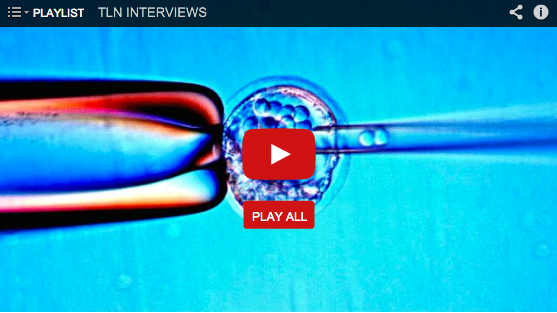
The Gift of Life, Umbilical Cord Blood

This month you will read about umbilical cord blood banking and the pros and cons surrounding the process considering the fact that July is National Cord Blood Awareness Month. Patient education campaigns have been launched by the American Association of Pediatrics, he National Marrow Donor Program, and other national organizations.

If you are a soon-to-be parent, you are also probably familiar with ads and brochures that inform you how baby’s umbilical cord blood could give hope to a patient with a blood disorder or that invite you to bank your baby’s umbilical cord blood as a form of insurance for future medical needs. Despite these campaigns, many parents have questions and remain confused about the entire process.

The placenta and developing fetus are connected by a tube called the umbilical cord. The baby’s placenta along with the umbilical cord is spontaneously expelled out of the mother’s body by the uterus after a child is born. The placenta and umbilical cord are typically discarded after the cord has been cut to detach it from the new born baby.

Stem cells, which are “mother” cells that can develop into the majority of the components that make up platelets, white blood cells, and red blood cells, are found in abundance in the blood inside the umbilical cord. Like those previously obtained from bone marrow, these stem cells are similar.

Another new source for these precious life saving cells can now be umbilical cord blood that has been harvested and preserved. Unlike embryonic stem cells, there are no controversial implications to harvesting umbilical cord blood. The destruction of embryos, or the practice of cloning, is not associated with cord blood stem cells.

The use of stored umbilical cord blood has been exclusively limited for use in stem cell transplants. Frequently used for the treatment of a variety of serious illnesses such as some types of bone marrow failure, cancer, lymphomas, immune deficiency, leukemias, and anemias, stem cell transplants are also known as bone marrow transplants. In order to determine if the stem cells can be utilized to treat other types of illness, intense research is currently being conducted around the world.

Patients are most likely to match someone of their same race and ethnicity because tissue type is inherited. This is according to the National Donor Marrow Program. Thus, Hispanic or Latino donors, American Indian or Alaskan Native, Black or African American, Hawaiian or other Pacific Islander, and Asian donors are all in high demand.

In the United States, the number of umbilical cord blood banks, both public and private, are limited. More banks are currently in the planning stages so the numbers are expected to rise in the near future.

There are two types of cord blood banks, private and public, and each has their advantages and disadvantages.

Privately stored cord blood ensures that the blood will be reserved for your family’s use if it would ever be needed in the future, however, other individuals who could possibly benefit from the cord blood stem cells would not have access to it.

Using umbilical cord stem cells, public cord blood banks further research into medical treatments. Transplants for non-relatives are also possible with public banks since they make donated cord blood stem cells available for transplant to anyone in need.

Donated cord blood stored in a public facility is no longer the property of the donor, and cannot be reserved for your baby or family’s use in the future. The public banks serve those patients who do not have an adult unrelated donor or matching family member.

At the Southwest Cancer Center at Texas Tech, six cord blood stem cell transplants saved the lives of six patients just over the past year. Delivered mothers who had babies from different locations around the country, the cord blood units were all donated.

No risk to the mother or baby is associated with the medically safe practice of donating umbilical cord blood. The option is a personal one, and just like any other medical procedure, a decision should be made after consultation and due consideration. But the choice to save, donate, or discard umbilical cord blood will soon be available to all new and expecting parents.

Personalized Therapy for Cancer, Self-Targeting Stem Cell from Fat

Capable of seeking out tumors and destroying theme like tiny homing missiles, mesenchymal stem cells derived from adipose, or fat tissue, have been engineered by researchers in Slovakia. The modified cells have been called, “suicide genes”. In a journal of the American Association for Cancer Research, the July 1 issue of Cancer Research, the Slovakian scientists concluded that this gene therapy approach was a novel way to attack small tumor metastases that evade current detection techniques and treatments.

“These fat-derived stem cells could be exploited for personalized cell-based therapeutics,” said the study’s lead investigator, Cestmir Altaner, Ph.D., D.Sc., an associate professor in the Cancer Research Institute of the Slovak Academy of Sciences in Bratislava. “Nearly everyone has some fat tissue they can spare, and this tissue could be a source of cells for cancer treatment that can be adapted into specific vehicles for drug transport.”

By renewing injured cells, mesenchymal stem cells help repair damaged tissue and organs. Solid tumors are also made up of a mix of cancer cells and normal cells, some of which are mesenchymal stem cells. The cells may be able to find both small metastases as well as primary tumors because mesenchymal stem cells are believed to be able to “see” a tumor as a damaged organ and migrate to it. For this reason, researchers believe that the cells can be used as a vehicle for treatment.

The standard therapy for colon cancer is to use a chemotherapy agent called 5-fluorouracil (5-FU), which can produce toxic side effects in normal cells. With this in mind, the researchers worked to find a less toxic way to treat colon cancer with the stem cells they extracted from human fat tissue. The gene cytosine deaminase was inserted into the cell using a retrovirus vector after the mesenchymal stem cells were expanded in a laboratory. A lethal bystander effect can be produced by the gene, which can convert a less toxic drug, 5-fluorocytosine (5-FC), to 5-FU inside the stem cells, and the chemotherapy can then seep out into the tumor.

The researchers injected the engineered mesenchymal stem cells, then 5-FC, into mice with inhibited immune systems who were engrafted with human colon cancer. None of the mice exhibited any signs of toxic side effects while up to a 68.5 percent inhibition of tumor growth was observed in the animals.

However, none of the animals remained tumor-free. “The procedure was quite effective even though we applied the stem cells just once. Obviously, repeated treatment will increase the efficacy, as would using this strategy in combination with other treatments,” Altaner said.

The yield of normal mesenchymal stem cells from fat tissue is far greater than when the cells are derived from other sources such as bone marrow.

Altaner said that the, “removal of fat tissue during surgery to remove a tumor would be simple.”

Mesenchymal stem cells can also be gathered and isolated through liposuction, and the cells frozen in liquid nitrogen for future therapeutic use. Both processes would be easier than taking bone marrow from a patient, Altaner said.

The Slovakian national cancer genomics program supported the study and the League Against Cancer along with the Slovak Academy of Sciences provided grants for funding.

Basics of Collecting Cord Blood

Many new parents are apprehensive about donating their baby’s cord blood stem cells because of inadequate knowledge about the collection, processing, and storage of umbilical cord blood. The process of collecting and storing cold blood cells must be explained in a comprehensive manner so that expecting parents may be fearless about the collection process and any unknown risks surrounding the process. No risk or pain for the child or mother is associated with cord blood collection methods during pre or post operative procedures. To retrieve the diverse life saving opportunities from it, a once disposable umbilical cord is now worthy of being stored with all the miraculous therapeutic benefits of cord blood cells.

The storage of cord blood involves two steps. These are the collection process and the actual processing of the umbilical cord blood.

The blood cell collection is the first step. According to the period of collection, the collection method can vary. There are two potential methods, both of which are equally safe.

The first method involves collecting blood when the doctor or the midwife is waiting for the placenta to be delivered or the period of 5 to 10 minutes before the delivery of the placenta. This is method that takes place before the placenta is delivers is referred to as In utero collection.

In a similar procedure, the second method involves draining the cord blood into a bag after placing the placenta in a sterile supporting structure. The umbilical cord is clamped and cut off and drained by syringe. This method is called Ex utero collection and only differs significantly from In utero in the time of collection.

Both of these methods are safe for cesarean and vaginal deliveries, so women in either case can consider donating cord blood stem cells. However, doctors or the cord blood bank may decide to abandon the cord blood collection protocol if complications arise during the final stages of the pregnancy. Per regulations, some of the mother’s blood gets collected to detect ant infectious diseases if present; this is done at the same time the cord blood is harvested from the umbilical vein. To collect adequate cells for transplantation, approximately 40ml to 150ml of cord blood must be drained from the umbilical cord. As much blood as possible is harvested by specialists in all cases. Even if the quantity is limited, the blood is still preserved for possible scientific research or future stem cell expansion, both of which are performed with the individual’s consent only. The parents choose a cord blood storage facility in advance of the birth or delivery, and after collection the blood is forwarded to the respective cord blood bank. The blood is tested for infectious diseases or typecasting of tissues once it reaches the banking facility.

Within 36 to 48 hours of collection, the samples are transferred from the cord blood bank to a lab. The mother’s blood is tested for diseases like CMV, HIV, syphilis, Malaria, and hepatitis. The testing labs which are CLIA certified are also registered with the FDA. The cord blood, which can already be used autologously, is deemed eligible for transplant use on family members after processing and infectious disease status is determined to be clean. One detail that deserved mention is that to ensure that the mother is eligible for cord blood donation, she usually has to undergo a special test during cord blood registry prior to the donation. The parents can prepare themselves for treatment if necessary after they receive the results.

While some processing methods keep the red blood cells, other types of processing deplete the cord blood of red blood cells. A cryopreservant is added to the now processed cord blood to ensure the unit of cord blood will survive the cryogenic process; this is the next step towards preservation. A liquid nitrogen tank is used for cord blood storage which brings the temperature of the cord blood unit down to -90 degrees Celsius. The cord blood unit is stored so that part of the blood can be reserved for stem cell expansion while the other part can be used immediately if required, thus, the bag is divided into two compartments for this reason.

In the case of private banking, the rights for future transplantation are given to the child’s parents or guardians. The child gains authority over his or her cord blood cells once they reach legal age. Public banks, as the name implies, utilize donated cord blood so the family gives up control over their cord blood upon donation. Cord blood banks assure donors that complete confidentiality will be kept at all times, which eases those concerned with privacy issues. Recipients of cord blood will never know the donor’s identity, and if the recipient is a stranger, the privacy measures are even more strict.

You family could be saved from many dreaded diseases with umbilical cord blood. Many killer diseases can be treated using umbilical cord blood since it is composed of an abundance of stem cells. Even if cost is an issue, the blood can be donated to a public cord blood bank so that at the very least, others can benefit from its life-saving potential.

Stem Cells Put the Pressure on Urinary Incontinence

Those suffering from stress incontinence could be presented with a new method of treatment soon involving none other than stem cell technology.

Women make up the predominance of incontinence sufferers, with an estimated 13 million Americans suffering from some form of the condition. The cause of this condition varies with stroke, obesity, urinary tract infections, abnormal urinary tract, medicine, enlarged prostate, bladder infections, constipation, nerve damage, or surgery, all being possible causes of the condition. The condition can afflict persons of any age but a common in the elderly.

Whenever urethral pressure exceeds bladder pressure inside the body, the physical state is called continence. Reducing the possibility of incontinence or leakage, this unequal pressure balance keeps urine safely confined within the bladder.

Incontinence can be broken down into four major types. One common type occurs when patients still have sufficient control over their bladders to make it to the bathroom on time, but the urgency to urinate is frequent. Stress incontinence manifests when bladder muscles are initially weak to begin with and lifting a heavy object places undue pressure on the bladder muscles. Stress incontinence can even be caused by fits of coughing, sneezing, or laughing, that exerts pressure on the bladder muscles. A combination of urge incontinence and stress incontinence is referred to as mixed incontinence. Finally, a blockage in the bladder that makes it impossible to release urine in moderation, nerve damage, or weak muscle contractions, leads to overflow incontinence.

Stem cells may one day help men who become incontinent after prostate surgery. Researchers at the University of Pittsburgh and the University of Calgary are studying the procedure at this time. Technicians isolate stem cells from muscle tissue that has been removed from a patient’s leg by doctors. With the hope they will strengthen pre-existing muscles in such a way that urges can be controlled, the stem cells are later injected into the muscles that surround the urethra. The researchers have demonstrated that 60 percent of patients experience improvement within the first year. The transplant itself, only takes five minutes.

Traditional treatments have ranged from targeted exercise to surgical intervention.

Oftentimes, they are difficult, time-consuming, and difficult to do without a professional, but Kegel exercises can be utilized to strengthen the sphincter muscles and pelvic floor.

To strengthen the pelvic floor muscles responsible for bladder control, brief electrical impulses can be administered as a form of electrical stimulation.

Medication can also be prescribed to aid those with incontinence. Medications that prevent leakage by tightening the muscles in the bladder and urethra or that inhibit contractions of an overactive bladder may be prescribed. Estrogen has also been known to precipitate normal functioning of muscles responsible for continence.

A form of treatment called vaginal cone therapy is sometimes used by women to strengthen the pelvic floor muscles. The process involves placing plastic cones of increasing weight in the vagina and holding them there for 15 to twenty minutes, twice a day.

The bladder can be repositioned surgically in women where it has dropped down towards the vagina. Doctors hoist the bladder back up by securing it to bone, ligament, or muscle.

But with 85 percent effectiveness, the most preferred method treatment for stress incontinence among females requires surgery where the urethra is supported and strengthened by a mesh material that is inserted below the area.

Stem cells could resolve all of the current methods of treatment with a minimally invasive procedure. Surgery could be avoided altogether and equal or greater results may soon be attained with stem cell treatment.

Amyloidosis Patients Treated Successfully with Stem Cells

Patients with immunoglobulin-light chain (AL) Amyloidosis who did not respond to initial treatment with high-dose chemotherapy and blood stem cell transplantation can be helped by utilizing tandem cycles of the treatment. The finding, which was published in the June 25th issue of Bone Marrow Transplantation on-line, was made by researchers from the Stem Cell Transplant Program and the Amyloid Treatment and Research Program at Boston University Medical Center (BUMC).

Leading to organ failure and death, when clonal plasma cells in bone marrow produce proteins that misfold and deposit in tissues, the condition is called AL amyloidosis. Researchers believe the disease is highly under-diagnosed, despite the fact that in the United States between 1,200 and 3,200 new cases are reported each year.

17 patients who had not achieved a complete remission from their initial treatment out of the initial 62 enrolled in the trial received a second course of high-dose chemotherapy and blood stem cell transplantation. This was the process used to determine whether or not a second course could be beneficial. After receiving a second course of treatment, a complete hematologic remission of their amyloidosis was achieved by 5 of the 17 patients, equating to a 31 percent success rate.

This approach appears to be associated with an improvement in overall survival as it increases the proportion of patients who ultimately achieve a complete response stated lead researcher, Vaishali Sanchorawala, MD, who is the clinical director of the Stem Cell Transplant Program, section of hematology/oncology at BUMC and associate professor of medicine at Boston University School of Medicine.

Pope Supports Adult Stem Cell Research

On the condition that the work does not involve human embryos, Pope Benedict XVI reiterated the Roman Catholic Church’s support for stem-cell research.

Adult stem cells exist in tiny numbers within developed organs. This was the topic of discussion at a conference at Rome’s La Sapienza University on research into the treatment of heart disease with so-called adult stem cells. The pontiff directed his comments at delegates attending the conference as he held his traditional weekly general audience at the Vatican.

The use of embryonic stem cells is controversial because harvesting the cells involves the destruction of a human embryo. The cells are created shortly after conception.

The church’s position is “clear,” the German-born pope said. “Scientific research should be rightly encouraged and promoted as long as it doesn’t hurt human beings whose dignity is inviolable from the very first stages of existence,” he said.

Based on a conviction that an embryo is a human being from conception and therefore its life cannot be interrupted, the church’s objections to embryonic stem-cell research are the same as its arguments against abortion.

Benedict’s predecessor, Pope John Paul II, outlined the Vatican’s position in a 1995 encyclical, “The Gospel of Life,” saying, “Human embryos obtained in vitro are human beings and are subjects with rights; their dignity and right to life must be respected from the first moment of their existence. It is immoral to produce human embryos destined to be exploited as disposable `biological material.”

The Umbilical Cord Blood Advantage

When cord blood cells are transplanted to patients, a number of ailments have begun reversing their effects as records have proven. Research has shown that diverse treatment strategies for over 70 diseases can be derived from umbilical cord blood stem cells. Where re-growth of cells is necessary for treatment and bone marrow transplants are the current mode of treatment, research is being conducted to see the potential of cord blood stem cells in this category as well.

Researchers claim that bone marrow and its hemapoietic characteristics can be found in umbilical cord blood stem cells as well. The cells that make up the various organs throughout our body can be developed from these particular stem cells. To treat disorders that surface in the various organs, cord blood stem cells are typically chosen due to their versatility. But those suffering from blood disorders make up the majority of the recipients of cord blood according to records.

Platelets, white blood cells, and red blood cells can all be created by umbilical cord blood stem cells. Fanconi, Anemia, adult and child leukemia, lymphoma ,and most other malignant blood disorders are treated with cord blood stem cells for this very reason. Parkinson’s disease, immune system disorders, heart muscle disorders, cardiac diseases like heart attacks, severe spinal cord injuries, and some sight disorders, are among the life threatening diseases that have been successfully treated using umbilical cord blood stem cells.

Cord blood stem cell transplants are most commonly administered to those patients who decide to forgo the painful procedures involved with a bone marrow transplant. Children and young adults have been the primary recipients of cord blood cell transplants. One of the reasons for this is that as a recipient becomes larger, the demands of cell quantity become greater. Most often, the quantity required for adult treatment cannot be found.

Since they are the most primitive cells of the body, they are often referred to as “naive” cells. Thus, where tissue re-growth is needed , they exhibit the adaptability to form the cells of any respective organ. For this reason, the recipient’s immune response is less likely to reject the cells.

Fewer matches of cells can be found for ethnic and racial minorities. Individuals that fall into this category are encouraged to save their children’s umbilical cord blood so that it can be used by their family at a later date if needed. Finding genetically matched cord blood cells is difficult for a few other individuals as well. Others who should seriously consider cord blood stem cell banking are parents of newborn adopted children and those born though in vitro fertilization.

Preserving a baby’s cord blood stem cells makes perfect sense. Offering umbilical cord blood storage, cryogenic facilities or “cord blood banks” are accessible in nearly ever corner of the world today. Since the cells are useful in the treatment of many deadly diseases, they could potentially save a child’s life, or one of his or her siblings, or even another family member. Since it is relatively difficult to find a match for some, those individuals should strongly consider banking as well.

Adult Stem Cells Save Lives

The claim that religion and science are based on fundamentally contrasting ways of understanding our world was made in an article titled, “Believers stonewall life-saving science.” It was written by Johann Hari.

Hari describes a view that he calls science’s strict empirical observation of the world, and says that his support of embryonic stem cell research over research using adult stem cells defies that view. But only a temporary benefit would be achieved with embryonic stem cell research, if any benefit at all. The immune system can reject embryonic cell and they are well known for their tumor production. But treatments for degenerative brain diseases, cancer, and auto-immune diseases have been developed using adult stem cells, and the breakthroughs that involve adult stem cells are lasting and almost always spectacular.

Adult stem cells can supply desperately needed cells and help non-healthy cells to recover. They can assist muscles, tissues, and even organs to recover from disease, and they have the most potential in the field of regenerative medicine.

Adult stem cells can be derived from a vast array of sources which include; amniotic fluid, hair follicles, bone marrow, the placenta, and of course umbilical cord blood.

For the past 40 years we have been turning to bone marrow transplants as a treatment for various illnesses.

Researchers published their findings that the stem cells in fat can be cultured into muscle for organ repair in the proceedings of the National Academy of Sciences.

An often claimed disadvantage of adult stem cells is that they lack the ability to become any type of cell if properly prepared. On the other hand, embryonic stem cells are considered to be totipotent. But this paradigm is shifting.

Some researchers are beginning to claim the same flexibility of adult stem cells, and the potential for cultivating adult stem cells is helping to narrow the gap, especially with bone marrow cells.

Allowing primates with severe Parkinson’s disease to eat and walk unaided, Hari promotes the research being conducted at Yale University. However, the fact that adult stem cells were used to accomplish this significant achievement was conveniently omitted from his point.

Another trail which treated the brains of five Parkinson’s patients using adult stem cells delivered remarkable results. Carried out at the Sussex Center for Genome Damage and Stability by Dr. Steven Gill, there was a 61 per cent increase in the activities on a “daily living” score after one year.

Even though adult stem-cell research has produced the really impressive results, Hollywood celebrities have been in the forefront of the battle for embryonic stem-cell research. It must be the “in” thing to do these days.

Embryonic stem cell research is embraced by Hari who says the cells produce faster results and are less costly.

In this debate, money should not even be considered. Results should be the end all in this argument, and adult stem cells are have clearly proved to be more superior thus far.

But the voices calling for federal funding to be directed towards embryonic stem cell research have become deafening in some cases. With all the validity surrounding adult stem cell research, the only logical answer as to why there is so much unsubstantiated support can be the potential to develop new patents related to embryonic stem cells.

Thousands of patients suffering from about 80 different diseases have been aided by adult stem cell treatments, this is a scientific fact. In stark contrast, embryonic stem cells have never produced one remarkable treatment, or any type of lasting benefit.

Funding for embryonic stem cell research should be limited, this is a bold but wise decision. The time, effort, and energy, which would be saved because of this decision should then be directed at further strengthening the already superb potential of adult stem cells.

Stem Cells Tested in UK Heart Patients

In order to repair the damage caused by heart attacks, British scientists will be trying a new method to treat the condition. Their hope is to regenerate tissue by using the patient’s own bone marrow. Stem cells taken from the marrow will be injected into the damaged hearts.

60 people who have recently suffered severe heart attacks will be involved in the trial which will be lead by Raimondo Ascione of the University of Bristol. The damaged tissue could potentially be repaired by stem cells that will be injected by Dr. Ascione during coronary bypass surgery. The cells have the potential to differentiate into the types of heart cells needed to fix that patient’s hearts.

About 230,000 people suffer a heart attack each year, making heart disease the biggest killer in the UK. Nearly one-third of those heart attack victims die. Because arteries get clogged with fatty deposits, blood supply is restricted, and this eventually leads to a heart attack. The hearts ability to pump blood is reduced when cells in the oxygen-deprived area die causing scarring.

“One in three people will die within two or three years and the remaining people will have a very poor quality of life,” said Dr Ascione. “Your exercise tolerance will be very poor, you will not to be able to enjoy your life. If this [experiment] works you will minimize this … the point of this trial is to do the bypass and try to repair the scar, to make it a viable muscle again.”

A type of stem cell that only forms about 1% of the bone marrow will be used for the experiment.

“This approach ensures no risk of rejection or infection,” said Dr. Ascione.

Scientists will conduct MRI scans of the patient’s hearts prior to the operation and six months afterwards.

“We expect that part we injected to be repaired and it will pump and contract properly,” he said.

Funding the trial with a