Corneal Blindness in the U.K. to be Treated with Aborted Fetal Stem Cells

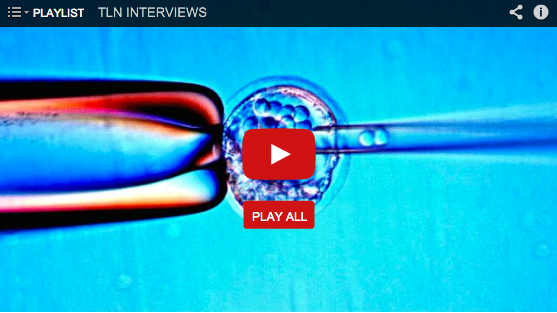
The Glasgow-based stem cell company ReNeuron has been granted approval to begin clinical trials with its ReN001 product in the treatment of human corneal blindness. Approximately 20 patients will participate in the study, in which they will be treated with ReN001, which contains fetal stem cells harvested from aborted fetal tissue.

The trial will be conducted by Dr. Bal Dhillon and colleagues at the Princess Alexandra Eye Pavilion in Edinburgh, in collaboration with the Gartnavel General Hospital in Glasgow. According to Dr. Dhillon, “This study is the first of its kind anywhere in the world and it is exciting to be involved in such groundbreaking work. I probably see two or three new cases of corneal disease every month. On a larger scale, it’s a significant problem.”

Although preclinical animal studies were successful in testing the product, there are still a number of concerns among scientists, doctors and patients alike over the safety of fetal stem cells, not the least of which is a concern over the risk of teratoma (tumor) formation, in addition to immune rejection, biological contamination and genetic mutation, among other problems. It is precisely because of medical risks such as these that requests to begin similar human clinical trials in the U.S. were denied by the FDA.

Successful preclinical studies in animals are not always an accurate indication of a succesful therapy for humans, a prime example of which was the tragedy in the 1950s of thalidomide, the teratogenic effects of which were not evident in animal studies, although in humans approximately 10,000 children with severe malformities were born throughout the world to mothers who had taken thalidomide as an antiemetic to combat morning sickness during pregnancy. Precisely because of egregious preclinical failures such as the thalidomide disaster, from which victims suffered throughout their entire lives with extreme and untreatable deformities, the U.S. FDA remains justifiably cautious in its insistence upon proof of safety as well as efficacy before new therapies are allowed to advance to the human clinical trial stage.

Meanwhile, in the United Kingdom, ReNeuron has received permission from the U.K. Medicines and Healthcare Products Regulatory Agency to begin human testing of its proprietary fetal stem cell product, the cells of which have been expanded from the brains of aborted human fetuses and will now be injected directly into the affected areas of the brains of stroke victims, in the hopes of regenerating neural tissue. The clinical trials will consist of 12 patients divided into 4 groups of 3, who will be administered the fetal stem cells between 6 and 24 months after having suffered a stroke. The first injection will contain approximately 2 million fetal stem cells, with subsequent treatments being increased to 20 million fetal stem cells per injection. Follow-up will include monitoring for a year.

According to Dr. Keith Muir, who will lead the clinical trial, “If it works, as it has done in animal model systems, it may allow new nerve cells to grow, or regeneration of existing cells and actual recovery of function in patients who would not otherwise be able to regain function.”

The procedure remains highly controversial not only because of the scientific and medical concerns already cited above, but for ethical reasons as well. Nevertheless, from a purely scientific perspective, the U.S. FDA is not the only organization in which individuals have expressed their doubts and concerns about the safety of embryonic and fetal stem cells, since many scientists who work in private industry do not wish to waste money on the development of a therapy that might never yield a profit, and similarly many physicians do not wish to risk being sued for malpractice by treating their patients with a “therapy” that is known to cause tumors. Additionally, an increasingly savvy and informed patient base is also aware of the fact that adult stem cell therapy already exists and does not pose any of the risks that are inherent in embryonic and fetal stem cells, neither of which have even been tested yet as a clinical therapy for humans. Even if the fetal stem cells are proven to be capable of regenerating damaged neurological tissue in humans in the upcoming clinical trials, that alone is not enough to win approval as a therapy, since safety must also be proven. Neither safety nor efficacy by itself is a sufficient condition for therapeutic viability, though both together constitute a necessary condition. There is not much point, however, in pursuing a therapy in which the risks outweigh the benefits – especially when an alternative option, namely, adult stem cell therapy, already exists and is already in clinical use and has already been proven not to carry any risk of teratoma formation nor any of the other risks that are inherent in embryonic and fetal stem cells.

ReNeuron was originally spun-off from the Institute of Psychiatry at King’s College London in 1997. At the news of its approval to begin human clinical trials with fetal stem cells, ReNeuron’s stock jumped 174%, from £2.75 to £7.88, after having fallen precipitously from its 52 week high of nearly £20 per share in March of 2008.

Cardiac Dysfunction Secondary to Diabetes is Treated with Adult Stem Cells

Researchers in Cairo have successfully demonstrated the ability of adult stem cells derived from bone marrow to treat cardiac dysfunction that is secondary to diabetes in a rat model.

Previously, adult mesenchymal stem cells (MSCs) derived from bone marrow have already been used for the treatment of a number of non-hematopoietic diseases, such as for various cardiac, liver and kidney conditions, among other ailments. Now, however, Dr. Abdel Aziz and his colleagues in the Department of Medical Biochemistry in the Faculty of Medicine at Cairo University have published the results of a study investigating the effects of MSCs on cardiovascular complications resulting from Type 1 diabetes in rats. The study is unique because it is the first of its kind to offer an adult stem cell treatment for chronic cardiac dysfunction, which is significantly different from cardiac dysfunction that is caused by an acute event such as a heart attack. Following an acute cardiac event or injury, the body normally releases therapeutic chemokines which stimulate the homing action of endogenous stem cells and which also play a role in enhancing the efficacy of exogenously administered stem cells. In the current study, such naturally occurring chemokines and their corresponding healing action were not part of the therapy.

In the study, MSCs were derived from the bone marrow of male albino rats and infused into female diabetic rats. Serum insulin, glucose and fibrinogen were estimated and physiological cardiovascular functions such as heart rate and systolic blood pressure were assessed by a Langendorff apparatus. At the conclusion of the study, not only had cardiac and diabetic conditions both improved, but Y-chromosome positive cells were found in the both the cardiac and pancreatic tissue of the female recipient rats, demonstrating that the observable therapeutic effects were in fact the result of the male stem cells.

As Dr. Aziz and his colleagues concluded, “Rat bone marrow harbors cells that have the capacity to differentiate into functional insulin-producing cells capable of controlling blood glucose levels in diabetic rats. This may provide a source of cell-based therapy for diabetes mellitus. Furthermore, MSC transplantation can improve cardiac function in diabetes mellitus.”

Muscular Dystrophy Treated with Umbilical Cord Blood Stem Cells

Scientists in Brazil have used adult stem cells harvested from umbilical cord blood to treat muscular dystrophy.

Rather than referring to one disease, the term “muscular dystrophy” actually refers to a group of hereditary disorders of genetic origin and varying severity, depending upon the degree to which the dystrophin gene is defective or absent. Located at Xp21, the dystrophin gene codifies dystrophin, an essential component in the protein complex that is responsible for the membrane stability of muscle cells. A complete absence of the gene causes more severe forms of the disease such as the Duchenne form (DMD), whereas the presence of a defective gene causes milder forms of the disease such as the Becker form (BMD).

In this study, which was condcuted by Dr. Tatiana Jazedje and colleagues at the Human Genome Research Center in Sao Paulo, Brazil, the scientists took CD34+ adult stem cells derived from umbilical cord blood and established co-cultures which combined the stem cells with myoblasts from a patient who had been diagnosed with DMD. The CD34+ stem cells were already known to differentiate into muscle cells and to express dystrophin in vivo, but Dr. Jazedje and her colleagues were the first to show that this particular progenitor cell is also capable of regenerating muscle dystrophin in vitro, as the stem cells were found to have differentiated into mature myotubes after 15 days, while dystrophin-positive regions were also detected through immunofluorescence analysis.

As the authors concluded in their article, “Our findings showed that umbilical cord blood CD34+ stem cells have the potential to interact with dystrophic muscle cells restoring the dystrophin expression of DMD cells in vitro. Although utilized within the context of DMD, the results presented here may be valid to other muscle-related therapy applications.”

Versatile Stem Cells Found in Testes

Stanford University scientists have announced the discovery of adult stem cells that are located in human testes and which exhibit a capacity for differentiation that appears to be similar to that of embryonic stem cells.

The discovery is the result of studies that were conducted on 19 men who were treated for infertility by Dr. Paul Turek of San Francisco. Testicular tissue samples that were obtained from the men yielded abundant quantities of stem cells which were later found to exhibit multipotency in their differentiation capability when injected into mice.

The discovery is similar to previous reports that were published in the journal Nature by a team of scientists at the University of Tubingen in Germany, who had reported similar results from stem cells isolated from the testes of mice and which were found to differentiate into a variety of mouse tissue types. This latest study, however, is among the first to be conducted in humans.

According to Dr. Renee A. Reijo-Pera, who led the team of scientists, “We have a battery of tools now and we’re moving rapidly down the long road toward their use in human medicine. I’m really amazed at the progress the science is making, and I’m certain we’ll be ready for clinical trials of some stem cell therapies within the next 5 to 10 years.”

According to Alan Trounson, president of the California Institute for Regenerative Medicine, the primary focus of which is funding for embryonic stem cell research, “This is extremely interesting and important work.”

Whether or not men will be eager to donate testicular tissue for the harvesting of stem cells, however, is yet to be seen.

Pluristem to Begin Adult Stem Cell Clinical Trials for Critical Limb Ischemia

The stem cell company Pluristem Therapeutics has filed an IND (investigational new drug) application with the U.S. FDA and its European counterpart to begin Phase I clinical trials for the treatment of critical limb ischemia with the proprietary adult stem cell product PLX-PAD, an allogeneic placental-derived stromal cell product.

The trials, which are to be conducted at clinical sites in the U.S. and Europe, will enroll patients who are suffering from “late stage” limb ischemia that has been unresponsive to conventional medical and surgical interventions, and for whom amputation is the only other remaining option.

As the president and CEO of Pluristem, Zami Aberman, explains, “We are pleased to be filing this IND application in the U.S.. Following approval by the FDA, we will begin administering PLX-PAD to patients afflicted with critical limb ischemia with the goal of proving this product safe. The IND application filed with the FDA and the IMPD (investigational medicinal product dossier) application filed in Europe are two important steps in Pluristem’s global strategy to become a dominant player in the cellular therapeutic business arena.”

According to Edwin M. Horwitz, M.D., Ph.D., Director of Cell Therapy in the Division of Oncology and Blood and Marrow Transplantation at the Children’s Hospital of Philadelphia, and chairman of Pluristem’s Scientific Advisory Board, “This is an exciting time for Pluristem. Success in this endeavor will signify the first time an adult stem cell, derived from the placenta and grown using the company’s PluriX 3D technology, has been administered to humans safely. This will represent a major advance in cell therapy and position Pluristem as an international leader in the field.”

As Dr. Brian Annex, Chief of the Division of Cardiovascular Medicine in the Department of Medicine at the University of Virginia School of Medicine, and a member of Pluristem’s Scientific Advisory Board, adds, “If Pluristem’s clinical trial is successful, this will be a major advance in the field of cellular therapeutics with the use of an allogeneic off-the-shelf product that needs no matching for peripheral vascular disease and then, potentially, other diseases.”

It has been estimated that between 8 and 12 million people in the U.S. alone suffer from critical limb ischemia (CLI), an advanced stage of peripheral artery disease (PAD). Industry analysts have estimated the market potential for the treatment of CLI to be over $1 billion, although conventional medical treatments of this life-threatening condition are often unsuccessful, thereby leaving a therapeutic void which cell-based therapies are uniquely qualified to fill.

Pluristem Therapeutics is focused on the development and commercialization of off-the-shelf allogeneic cell-based therapies for the treatment of chronic degenerative ischemic and autoimmune disorders. As described on their website, Pluristem specializes in adherent stromal cells (ASCs) that are derived from the placenta and which “are multipotent adult stem cells that have strong anti-inflammatory properties and can regenerate and repair damaged tissue.” ASCs have already been shown to differentiate into nerve, bone, muscle, fat, tendon, ligament, cartilage and bone marrow stroma. Additionally, since they have low immunogenicity, ASCs do not require HLA (human leukocyte antigen) matching and are not at risk of being rejected by the patient’s immune system.

After the ASCs are harvested from placental tissue, the cells are then expanded three-dimensionally into PLX (PLacental eXpanded) cells via the company’s proprietary PluriX 3D bioreactor, in which the cells are able to excrete their own cytokines and other immune modulators without the need for supplemental growth factors nor other exogenous materials. Like ASCs, PLX cells exhibit immunomodulatory properties and are “immune privileged” and as such do not pose any threat of immunological rejection.

As adult stem cells which are derived from the human placenta, which is an extremely rich non-embryonic source of stem cells, ASCs are also ethically non-controversial in addition to being highly potent adult stem cells.

Human-Animal Hybrid Experimentation in the U.K. is Halted

Scientists in the U.K. have been forced to stop their research with human-animal hybrid experimentation because of a lack of research funds.

Less than a year after the controversial laboratory techniques were legalized in the U.K., funding agencies are now refusing to finance the research of human-animal hybrids. Although Britain has enjoyed the status of a world leader in this field, it is now feared that existing research projects may be brought to a final and permanent end within weeks.

The experimentation has proven to be highly controversial from an ethical perspective, since it fuses human cells with nonhuman mammalian eggs in a laboratory process which thereby creates a new species and a new living creature which is simultaneously both yet neither human and nonhuman. Numerous ethical debates over the procedure are still raging, and may or may not be a direct cause of the current funding drought. No specific explanation was given for the lack of funds, other than “competition” from other projects.

Two of the three license holders who are legally permitted to create hybrid embryos in the U.K. have been denied research funds, namely, Dr. Stephen Minger of King’s College London and Dr. Lyle Armstrong of the Center for Life at Newcastle University. The third license holder, Professor Justin St. John of Warwick University, is still in the process of preparing a grant proposal.

According to Dr. Minger, whose work has not yet started, even a year after his license was issued, “The problem has been a lack of funding. We haven’t been able to buy equipment, £80,000 to £90,000 worth. We put in a grant proposal last year but it wasn’t successful and we’re dead in the water. We’re discussing whether it is worth the time to re-submit our application. People reviewing grants may be looking at this from a completely different moral perspective, and how much that has influenced people’s perception about whether this should be funded, we don’t know.”

Dr. Armstrong of Newcastle University, who has created 278 hybrid embryos from human cells that were fused into cow ova, is now unable to continue working with the part-human, part-bovine embryos due to having been denied funding. According to Dr. Armstrong, “It seems a lot of effort for nothing. We are investigating other avenues to keep this work going but it is depressing that Britain seems happy to create a nice regulatory environment for this work but then not to provide money for it.”

The licenses were originally issued by the Human Fertilisation and Embryology Authority through the Human Fertilisation and Embryology Bill, which allowed for the legal creation of animal-human hybrid embryos for stem cell research and which was passed after much debate by Parliament in May of 2008 and backed by both Gordon Brown and David Cameron.

Apparently, even though the British Parliament may have finished debating this topic, it would seem as though the rest of the populace has not.

Multiple sclerosis patient will take treatments at Cellmedicine

Mary Posta suffers from an advanced form of multiple
sclerosis termed

Joint Venture Announced Between U.S. and Korean Stem Cell Companies

The U.S. company Advanced Cell Technology (ACT) and the South Korean company CHA Biotech Ltd. have announced the formation of new company that is the product of a joint venture. The new company is to be known as “Stem Cell and Regenerative Medicine International” and will be headquartered in Worcester, Massachusetts, the site of one of ACT’s laboratories and former headquarters.

CHA Biotech, which is based in Seoul, operates a cord blood bank known as CHA i-Cord in addition to an active regenerative medicine R&D facility. Similarly, ACT is well known for a number of accomplishments in regenerative medicine, especially for their development of the hemangioblast cell technology. In the new partnership, both companies will collaborate together as one new company in the further development and commercialization of proprietary stem cell technology and cell-based clinical therapies. Under the agreement, the new company will be majority owned by CHA, to whom ACT will exclusively license all of its hemangioblast technology. Hemangioblasts are precursor cells with the ability to differentiate into both hematopoietic and endothelial cell lineages, and are found in embryonic tissue as well as in the tissue and circulating stem cells in the peripheral blood of adults.

Operating the largest stem cell research institute in Korea, CHA Biotech was founded in 2000 to develop gene therapy in addition to stem cell therapies. In 2002 the company expanded into the U.S. by opening the CHA Fertility Center in Los Angeles, which was followed in 2005 by the acquisition of the Hollywood Presbyterian Medical Center, an acute-care hospital in Los Angeles.

Advanced Cell Technology is involved in both embryonic and adult stem cell research. Its Myoblast technology consists of an autologous adult stem cell therapy designated for the treatment of heart disease which has successfully completed four Phase I clinical trials and has FDA clearance to begin Phase II trials. In addition, ACT is developing its RPE (retinal pigment epithelial cell) program for the treatment of retinal degenerative disorders, and its HG (hemangioblast) cell program for the treatment of blood disorders, cardiovascular disease, stroke and cancer.

Since August of 2006, when ACT announced a novel technique for generating embryonic stem cell lines without destroying the embryos, the company has announced on several occasions the creation of human embryonic stem cell lines that did not involve the destruction of embryos. Currently ACT owns or licenses over 380 patents and patent applications, and continues to operate laboratories both in Massachusetts and California, even though it moved its headquarters from Worcester, Massachusetts to Los Angeles in 2006 in order to take advantage of the $3 billion stem cell research initiative that was voted into state law in California with the passing of Proposition 71 in 2004.

The accelerating pace of international joint ventures is merely another indication of the rapid globalization of biotechnology, especially in the field of regenerative medicine, which has the potential to change the fundamental nature of health care and medical treatment for everyone on the planet. Along those lines, ACT’s chief scientific officer and head of the joint venture, Dr. Robert Lanza, was featured in a television special with Barbara Walters entitled, “Live to be 150 – Can You Do It?”, which was broadcast in the U.S. in April of 2008.

Stem Cells in the Common Fruit Fly Shed Light on Human Genetics

Scientists have made a discovery with adult stem cells in the fruit fly, Drosophila melanogaster, which may have important implications for humans.

In a study led by Dr. Michael Buszczak, formerly of the Department of Embryology at the Howard Hughes Medical Institute Research Laboratories in Baltimore, Maryland, and currently in the Department of Molecular Biology at the University of Texas Southwest Medical Center in Dallas, researchers have reported the identification of a protease-encoding gene in Drosophila which is commonly required in germline, epithelial and intestinal stem cells.

Known as the histone H2B ubiquitin protease “scrawny” (scny) gene, the gene encodes a ubiquitin-specific protease and is a common requirement in stem cells within diverse tissue types, since such stem cells share the common need for a chromatin configuration that promotes self-renewal. Chromatin proteins contain the genetic instructions that direct cell function, and are known to regulate multiple types of stem cells.

Among other effects, Dr. Buszczak and his colleagues observed that mutant fruit flies who lacked functional copies of the scrawny gene suffered a premature loss of stem cells in various tissue types which included their skin, intestinal and reproductive tissue.

As the authors conclude in their paper, “Our findings suggest that inhibiting H2B ubiquitylation through ‘scny’ represents a common mechanism within stem cells that is used to repress the premature expression of key differentiation genes, including Notch target genes.”

Although the scrawny gene has only been identified in fruit flies thus far, similar genes are suspected of performing similar functions in other multicellular organisms such as humans. According to Dr. Allan C. Spradling, director of the Carnegie Institution’s Department of Embryology, “Our tissues and indeed our very lives depend upon the continuous functioning of stem cells, yet we know little about the genes and molecular pathways that keep stem cells from turning into regular tissue cells – a process known as differentiation. This new understanding of the role played by scrawny may make it easier to expand stem cell populations in culture, and to direct stem cell differentiation in desired directions.”

This is not the first time that important clinical therapies for people have been developed from research conducted on the humble fruit fly. Indeed, the unpretentious Drosophila melanogaster has played a central role in the advancement of human medical science for over the past century, ever since the American geneticist and embryologist, Dr. Thomas Hunt Morgan, began studying the common fruit fly in 1906 while at Columbia University. Although a few other scientists prior to Dr. Morgan had conducted experiments with Drosophila, Dr. Morgan became the first person to demonstrate, by studying successive generations of the fruit fly, that genes are transmitted from parents to offspring via chromosomes, which constitute the molecular mechanism of heredity. Such a discovery established the foundation for the entire field of modern genetics, and Dr. Morgan was awarded the 1933 Nobel Prize in Physiology or Medicine, “for his discoveries concerning the role played by the chromosome in heredity.” Later, when Dr. Morgan relocated to the California Institute of Technology, he established the Division of Biology at Cal Tech which subsequently produced 7 Nobel Prize winners. To this day, in honor of Dr. Morgan and over half a century after his death in 1945, the Genetics Society of America still awards the annual Thomas Hunt Morgan Medal to one of its members, for outstanding contributions to the field of genetics. As a direct result of Dr. Morgan’s discoveries, Drosophila melanogaster continues to serve as a “model organism” of study for genetics and developmental biology, and as such this fruit fly has yielded a number of important discoveries that are applicable to a variety of other species, not only humans. Currently Drosophila is still being studied as a genetic model for many of the most perplexing of human diseases such as diabetes, cancer, and a number of the neurodegenerative diseases including Alzheimer’s, Huntington’s and Parkinson’s diseases, among others.

Like all other species – whether flora or fauna, vertebrate or invertebrate – fruit flies have stem cells too. Unlike many species, however, fruit flies also exhibit a number of traits that lend themselves desirably toward scientific investigation, such as a fast reproductive cycle within a short lifespan, an ease of culturability in large numbers, and a genotype in which mutations are easily inducible and easily trackable by phenotype from one generation to the next. All things considered, fruit flies make a much more compliant and cooperative laboratory specimen to study than humans.

Osiris Receives $5 Million Milestone Payment

Osiris Therapeutics announced today that it has received $5 million in payment for having reached the first production threshold of the Osteocel supply agreement with NuVasive. In a business deal that was valued at $85 million, Osiris sold Osteocel, its bone matrix product, to the San Diego-based spine specialization company NuVasive Inc. in July of 2008 for an initial payment of $35 million which is to be followed by further payments totalling an additional $50 million when milestones are reached.

According to NuVasive chairman and CEO Alex Lukianov, “Osteocel provides what we believe to be one of the more powerful biologic platforms on the market today.” Osiris CFO Richard Hunt adds, “It is through the hard work and dedication of our Osteocel team that we have achieved the first product supply milestone under the agreement and are solidly on track to hit the remaining milestones. With more than 15 years of rigorous stem cell research and development behind it, today Osteocel stands alone in orthopedics. Along with our excellent partners at NuVasive, we look forward to the product’s continued success.”

A leader in adult stem cell therapies, Osiris Therapeutics is focused on the development of products for the treatment of inflammatory, orthopedic and cardiovascular diseases. One of its proprietary adult stem cell products, Prochymal, is currently in Phase III clinical trials for the treatment of Graft-versus-host disease and Crohn’s disease, and is also being evaluated for the repair of heart attack damage, the protection of pancreatic beta islet cells in patients with type 1 diabetes, and for the treatment of chronic obstructive pulmonary disease. Another product, Chondrogen, is currently undergoing evaluation for the treatment of arthritis in the knee. With an extensive intellectual property portfolio containing 47 patents, Osiris has formed a partnership with Genzyme Corp. for the development and commercialization of Prochymal and Chondrogen in countries outside of the U.S. and Canada.