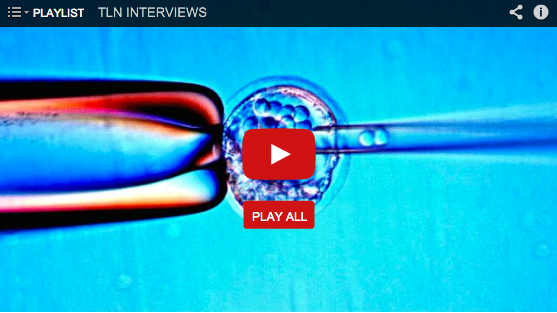
The professional career of an athlete can end with an injury that results in a damaged tendon, most athletes know this well.
September 9, 2007 by
Woman Raises Funds for Stem Cell Treatment
The heart transplant list is only a hair’s breath away for Tammy, but one would be hard pressed to make this determination at first glance.
September 7, 2007 by
T-reg Cells Derived from Cord Blood Used in First Clinical Trial for Leukemia
In order to decrease the risk of immune reactions common in patients undergoing blood and marrow transplantation researchers have taken steps to determine the safety and optimal dose of T regulatory cells (T-regs) at the University of Minnesota.
The groundbreaking clinical trial is being conducted with the hope that it will offer a potential new paradigm for treating autoimmune diseases as well as improve overall survival rates for blood cancer patients.
“Toward our quest of making transplants even safer for adults and children with leukemia, lymphoma, multiple myeloma, and other blood and marrow disorders, we are exploring the possibility of using T-regs to enhance the rate of blood and marrow recovery and reduce the risks of graft-versus-host disease, a complication that affects more than 60 percent of patients,” said Claudio Brunstein, M.D., principal investigator of the study.
Normally responsible for regulating the body’s immune responses, T-regs are a type of lymphocyte or white blood cell. Helping to ward off life-threatening graft-versus-host-disease (GVHD), donor T-regs may suppress the recipient’s immune system so that the healthy donor’s blood-forming stem cells and immune cells can grow in transplant cases. When donated cells attack the body of the transplant recipient it is referred to as GVHD. Following transplant, GVHD is responsible for one-third of the deaths.
The risk of GVHD decreases and the chance of blood and marrow recovery increases when T-regs are infused after transplant. This has been proven by researchers using animal models.
“Once we identified that T-regs were highly effective in mouse models, we then spent three years finding ways to make this therapy valuable for transplant patients and potentially useful for patients with autoimmune diseases,” said Bruce Blazar, M.D., director of the Center for Translational Medicine at the University.
Since they are easier to expand in culture prior to treatment and occur in higher frequency than what is typically found in most adults, the T-regs in this study are isolated from umbilical cord blood (blood collected from the placenta or afterbirth after the birth of a child). This unique use of umbilical cord blood derived T-regs marks a world first for human clinical trials.
Using patients who are undergoing a double umbilical cord blood transplant for bone marrow failure, leukemia, or other blood cancer; this trial is designed to find the highest possible safe dose of T-regs in these immune suppressed patients. There should be no acute side effects with the T-regs according to researchers who have observed similar results already in animal models.
T-regs will be a powerful therapy to enhance engraftment in transplant patients and prevent GVHD if the data in humans mimics animal models. Conditions such as multiple sclerosis, type I diabetes, and other autoimmune diseases will be treated with the T-regs to test for effectiveness once initial efficacy and safety data is known. The cell may help prevent disease progression if T-regs are transplanted early in the life of the disease hypothesized university researchers.
“This is an exciting time. In the near future, I anticipate being able to combine immune cell populations, like T-regs, that stop immune reactions responsible for autoimmune diseases like diabetes, and immune responses to stem cell infusion given to repair already damaged tissues. This brings great hope not only for adults and children with cancer but many other diseases as well. At the close of this clinical trial, we hope to go right to our first clinical trial with T-regulatory cells in the treatment of newly diagnosed diabetes,” said John E. Wagner, M.D., director of the pediatric hematology-oncology and blood and marrow transplantation program at the University of Minnesota.
The Children’s Cancer Research Fund, the National Marrow Donor Program, the Leukemia and Lymphoma Society, the National Institute of Allergy and Infectious Diseases, the National Heart Lung and Blood Institute, the National Cancer Institute, and the National Institutes of Health are funding the study.
September 5, 2007 by
Muscle Repair Potential Discovered in Human Source of Adult Stem Cells
With the potential to treat muscle injuries and diseases such as muscular dystrophy and heart attack, scientists at Children’s Hospital of Pittsburgh of UPMC have discovered a unique population of adult stem cells derived from human muscle that can be used for this purpose for the first time.
Led by Johnny Huard, PhD, and Bruno P
September 5, 2007 by
Adult Stem Cells Continue to Deliver Breakthroughs
A new type of adult stem cell in blood vessels that can be harvested from a patient has been discovered by scientists at the University of Pittsburgh Medical Center. A patient’s disease or muscle injury could be treated with these cells. There is no risk of immune rejection since the stem cells are derived from the patients themselves.
Individuals who are suffering from some types of muscular dystrophy, various sports-related injuries, and heart muscle damaged by heart attack could potentially be treated say doctors.
Using adult stem cells harvested from patients’ bone marrow, replacement heart valves and other heart tissue may be grown within the next three to five years said leading British heart surgeon Magdi Yacoub.
With the drawback of tissue rejection and replacement operations every 10 to 15 years, artificial heart valves or those taken from pigs is currently the only option for patients needing new heart valves. Using a patient’s own stem cells, the growth of an entire replacement heart is the ultimate vision Yacoub has in mind.
September 4, 2007 by
Umbilical Cord Blood Applied to Cancer Treatments as Potential Cure
Holly saw a bright future ahead of her about ten years ago. She had just taken a job in sales and marketing, fresh out of college, and finally moving out of her parent
September 3, 2007 by
Why Cord Blood Donation Should be the Standard
Yet-to-be parents across the world are getting the message from doctors and medical practitioners: donate cord blood. Individuals who are combating malignant ailments can have new hope for survival when pregnancy gives birth to new life. Patients suffering from acute disorders from the immune system, severe anemia, leukemia, and other conditions can potentially be cured by the stem cells which are contained in a newborn baby’s umbilical cord. Researchers strongly advocate the need for cord blood donation, as they come up with newer advancements in treatment with blood forming cells.
The term waste material was once synonymous with the placenta and umbilical cord. This biological material was considered unimportant. The scenario has since been reversed due to the understanding that patients suffering from spinal cord disorders, diseases of the immune system, various types of blood disorders and many other conditions can be helped by these umbilical cord cells. Instead of discarding them, the cells are now treasured by doctors. The procedure of cord blood collection is also being more widely accepted at the same time by soon to be parents.
Prior to the delivery of the placenta, but after the baby has been born, the umbilical cord blood is collected. The process can be initiated after the placenta has been delivered as well in some cases. Neither the new born baby nor the mother is ever under any risk or subjected to any form of pain. Advanced equipment for the safe collection of cord blood cells is provided by the blood bank where the donor decides to preserve the cells. Regardless of the birth procedure the umbilical cord blood stem cell can be collected. With no changes in the procedure of delivery, stem cells can be collected with both caesarean and vaginal deliveries.
The hematopoietic features of bone marrow stem cells are mimicked by umbilical cord blood stem cells to a certain degree. But, bone marrow samples are lacking the rich number of stem cells that are found in umbilical cord blood. Any type of organ or tissue that includes three types of blood cells, platelets, white blood cells, red blood cells, can be produced by umbilical cord blood stem cells. The option of getting a cord blood transplant as opposed to a bone marrow stem cell transplant can prove to be a wise decision if your family has a history of or a family member has a medical condition such as any immunodeficiency disorders or other genetic disorders, metabolic storage disorders, aplastic anemia, leukemia, thalassemia, or Fanconi’s anemia.
If a patient is from an ethic minority group in the country where he resides, finding a matching donor can present a significant challenge. The biggest obstacle in locating a matching bone marrow cell donor falls on the shoulders of those who are of native American, Hispanic, African-American, or mixed ethnicity. You should donate cord blood stem cells if a transplant is required by one of your family members who suffer from a condition that can be treated by stem cells. There is great difficulty finding a matching donor for bone marrow, but cord blood has a 25% greater chance of matching. In the case of an emergency, your child can even be their own donor.
To ensure their family members
September 2, 2007 by
Heart Valves and Muscle Tissue Grown from Own Stem Cells Soon to be Reality
On Monday, top cardiologists all concurred that by using a patients own stem cell, surgeons will soon be able to literally mend a broken heart using live tissue grown from these cells.
The procedure could become routine within three-to-five years. In as little as six weeks, the entire process of harvesting cells from bone marrow, growing tissue, and surgically implanting the heart muscle or valve could be accomplished.
The Philosophical Transactions of The Royal Society B in Britain published these findings in a recent special issue.
A massive muscle surrounds the four valves of the heart, controlling the body’s blood flow. One of the reasons heart attacks are so debilitating, even when they are not fatal, is that this muscle does not regenerate. Once tissue is damaged, it remains that way.
The muscle begins to wear out as it ages, and this is when most problems occur.
“But the highest medical need for tissue-engineered heart valves is in the treatment of congenital heart malformation,” which affects nearly one percent of all newborns, Simon Hoeurstrup, lead author of one of the studies, told AFP.
Leading to great suffering and higher death rates than in adults, artificial heart valves currently available must be periodically replaced as children grow.
Long considered the “holy grail” of cardiovascular medicine, bio-engineered heart muscle that could be grafted onto a patient’s living tissue without fear of rejection by the immune system could soon become a reality.
Artificial replacements “do the job and save people’s lives,” said celebrated heart surgeon Magdi Yacoub, who coordinated the 20-odd studies.
“But they cannot match the elegant, sophisticated functions of living tissues.”
Abnormalities in blood flow and an increased risk of bacterial infection in the hearts inner lining come along with the durability of mechanical hardware. Boosting the chances of internal bleeding and embolisms, patients must also take medication to prevent blood clots.
According to the World Health Organization, 17.5 million people were victim to cardiovascular disease in 2005, making it the number one killer in the world. Timely surgery to implant heart muscle or replacement valves could have potentially saved many of these individuals.
Serious drawbacks accompany the two mainstream techniques for making bio-prosthetic heart valves.
A tendency to wear out and differing structure are the main short coming of animal grafts; negative factors that outweigh their high level of availability. The short supply and susceptibility to immune rejection are drawbacks that comes with human valves from donors, despite the fact that they work better than animal grafts.
The patient’s own stem cells — taken from bone marrow — are isolated and expanded in the laboratory using standard cell culture techniques in the tissue engineering approach favored by Yacoub and Hoerstrup.
A special matrix is created in the shape of a heart valve, and the cells are “seeded” onto this. The matrix is placed in a “bioreactor” that coerces the cells to grow into the proper shape.
The patient is implanted with the living-tissue heart valves once they reach maturity. In only a matter of week, a patient can have a “real” heart valve.
Several years of follow up are required before it can be deemed effective and safe, but the procedure has provided powerful results in animal models using sheep.
Other hurdles include the scenario of concurrent conditions such as diabetes, which could compromise the suitability of harvested stem cells.
August 29, 2007 by
Adult Stem Cells Provides Potent Anti-Aging Extract
With the ability to teach your skin to be young again, imagine a “chemical messenger” that can enter your skin cells and do just that.
August 28, 2007 by
Cord Blood Donation Program Success – 6 Months Bring 500+ Donations
The 500 mark for cord blood volunteer donations has been surpassed by an Indianapolis business and hospital.