Advanced Cell Technology and BioTime Enter Patent Licensing Agreement

The biotech company Advanced Cell Technology, Inc., which develops a variety of stem cell therapies, has entered into another licensing agreement with BioTime Inc., which is also a major player in the stem cell field. Although the agreement was struck on August 15th, the companies made the announcement today. This agreement is not the first of its type between the two organizations, which have worked together before in patent licensing agreements. As before, this agreement involves a susidiary of BioTime Inc., known as Embryome Sciences.

BioTime is headed by CEO Michael West, who was formerly with Advanced Cell Technology. Under the terms of the new agreement, Embryome Sciences will receive worldwide rights to the patent that is owned by Advanced Cell Technology, in exchange for a $200,000 licensing fee which Embryome Sciences must pay, as well as a 5% royalty on sales and 20% of fees for sublicensing to a third party, with a royalty cap of $600,000. In a previous, recent licensing agreement that was announced on August 11th, Embryome Sciences licensed the technology for producing embryonic progenitor cells from Advanced Cell Technology, for which Embryome Sciences paid a $250,000 licensing fee plus an 8% royalty on sales, with a royalty cap of $1 million.

Unlike the previous licensing agreement, however, the current agreement involves patented technology for the transformation of skin and other adult human cells into pluripotent cells which are able, through the manipulation of cellular controls, to differentiate into various types of tissue that are found throughout the human body.

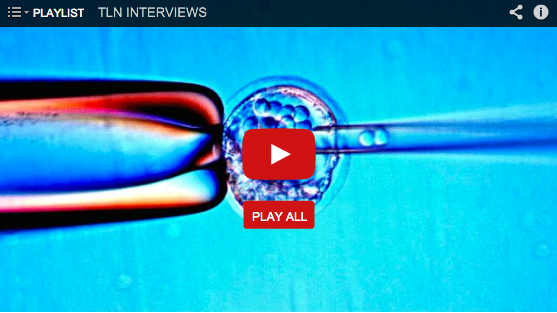
Medistem Develops New Adult Stem Cell Therapy for Saving Limbs

As an advanced form of peripheral artery disease, critical limb ischemia (CLI) results in approximately 100,000 amputations every year in the United States alone. It is often seen in diabetics and is a major cause both of morbidity and of mortality, with approximately 20 to 45% of all patients requiring amputation, after which death within the first year is estimated to be as high as 45%. The quality of life in such patients is extremely low, compared by some doctors to that of terminal cancer patients.

In the past, treatment options for patients with CLI have been extremely limited, and without notable success. Now, however, the company Medistem, Inc., has developed a treatment for CLI which uses the powerful endometrial regenerative cells (ERCs) which Medistem brought to international attention last year.

Previous, independent clinical trials have shown some improvement in CLI patients who received autologous (in which the donor and recipient are the same person) stem cells that were either derived from the patient’s own bone marrow or mobilized from peripheral blood. Similarly, ERCs, which are adult stem cells that are derived from menstrual blood and which resemble mesenchymal stem cells (MSCs), are believed to be associated with endometrial angiogenesis and have been shown to have powerful angiogenic properties. Additionally, ERCs contain an exceptionally high level of growth factors and are notable for a wide variety of other impressive properties which include their ability to inhibit the inflammatory response, their ease of expandability in large quantities without incurring a loss of differentiability nor any karyotypic abnormalities, and the fact that ERCs are highly immune privileged and therefore do not trigger immune rejection.

In the recently published study, which was led by the vascular surgeon Dr. Michael Murphy, a group of mice was divided into 8 who were treated for CLI with ERCs, and 8 mice who served as the “controls” and whose CLI was untreated. Following ligation of the femoral artery and its branches in each of the mice, which thereby induced CLI, the 8 mice who were chosen to be treated were each administered approximately 1 million ERCs intramuscularly. By day 14, necrosis was observed in the legs of the 8 “control” mice, who did not receive the ERCs, while the 8 mice who were treated with the ERCs still had intact limbs. Especially striking was the absence of any immune rejection of the ERCs, despite the fact that these were human stem cells, which were administered to mice which had fully competent immune systems.

It has already been known for some time that MSCs exhibit immune modulatory properties, both in vitro and in vivo. For example, the company Osiris Therapeutics is currently involved in Phase III clinical trials with allogeneic MSCs that are derived from bone marrow and which are currently being tested as treatment for two diseases, namely, graft-versus-host disease, and Crohn’s disease. Now, in the study conducted by Dr. Murphy, Medistem has demonstrated the ability of ERCs to prevent limb loss in an animal model of critical limb ischemia, even with animals that were fully immune competent. ERCs are therefore believed to offer what is known as cytokine mediated angiogenesis, which thus far has been especially effective as a therapy for CLI in this particular animal model.

Medistem, which has pioneered the development of ERCs as a “universal donor” product, has received global recognition for its work in this field, including the “Publication of the Year” award for 2007, recognizing its discovery of ERCs, which was awarded to Medistem at London’s Royal Society of Medicine in early 2008. Medistem is now seeking to use ERCs as a therapy for patients who are at risk of amputation due to CLI.

Harvard Scientists Engineer Disease-Specific Pluripotent Cell Lines Without the Use of Stem Cells

Researchers at the Harvard Stem Cell Institute (HSCI) have reported the creation of twenty stable cell lines from patients with genetic diseases that include Type I diabetes, Parkinson’s disease, Hungtinton’s disease, Down Syndrome, and two types of muscular dystrophy. Although the cell lines resemble stem cells in their pluripotency, none of the cell lines were created from stem cells.

Instead of stem cells, the scientists used iPS (induced pluripotent stem) cells, which are mature cells, usually taken from the skin or blood of adults, that have been reprogrammed to revert to a more primitive state that resembles a stem cell. From these iPS cells, new cell lines were specifically created for various genetic disorders. According to Dr. George Daley, a professor in Harvard’s Medical School, senior author of the paper in which the announcement was made, and a member of the executive committee of the HSCI, “This has really been one of the goals of stem cell biology for many years, to be able to produce customized disease-specific lines for different patients.”

Other scientists around the world who are studying these various diseases will soon be able to order shipments from the HSCI of these disease-specific cell lines. Indeed, “patient-specific” iPS cells, which are reprogrammed cells derived from specific patients, allow for an individually tailored study, in the laboratory, of the unique characteristics of a particular person’s disease, thereby opening up the opportunity for therapies that are customized to each individual person. Dr. Konrad Hochedlinger, also a professor at Harvard Medical School, whose lab contributed to the Lesch-Nyhan syndrome cell line in the project, has referred to the “iPS trick” as something that is changing the face of stem cell research, by genetically reprogramming human, non-stem cell, cells to behave as though they were stem cells.

In July of this year, a new iPS Core Facility was created at the Harvard-affiliated Massachusetts General Hospital, where the disease-specific iPS cell lines will be deposited not only for storage but also for production on a larger scale, in order to accommodate distribution to the scientific community. According to Laurence Daheron, manager of the iPS Core Facility, the iPS cell lines will be available free of charge for HSCI members and collaborators, although non-HSCI members and biopharmaceutical companies will be required to pay a fee in order to cover the cost of expansion of the iPS cell lines.

The creation of the iPS cell lines, and the establishment of the Core Facility at Massachusetts General Hospital, has vast implications not only for stem cell therapies involving the particular diseases under consideration, but also for the stem cell field and for cell biology in general.

Pluristem’s Adult Stem Cell Product Shows Promise as Therapy for Multiple Sclerosis

Pluristem Therapeutics, Inc., which specializes in the commercialization of adult stem cell therapy products for the treatment of degenerative, ischemic and autoimmune diseases, has demonstrated success in an animal model with a product that it has developed specifically for the treatment of multiple sclerosis (MS). Known as PLX-MS, for “PLacental eXpanded” cells, this product, which is derived entirely from adult stem cells, has proven to be effective in vivo. Specifically, mice that received PLX-MS did not develop clinical symptoms associated with MS when compared with control mice, for the entirety of the 35-day study. PLX cells are mesenchymal stromal cells that are derived from placental blood and then expanded under Pluristem’s proprietary technology.

According to Zami Aberman, president and CEO of Pluristem, “This trial’s remarkable results demonstrated our PLX-MS cells’ ability to prevent the appearance of multiple sclerosis symptoms and showed the potential for our PLX cells to treat global autoimmune diseases. As a cellular therapy, our PLX cells, which are derived from human placenta, a non-controversial, non-embryonic, adult stem cell source, and stored ready-to-use, could prove to be a readily available preventive therapeutic alternative for these disorders.”

The World Health Organization (WHO) estimates that approximately 2.5 million people throughout the world suffer from multiple sclerosis, which is an autoimmune, demyelinating disease of the central nervous system for which there has previously been no cure, and only limited therapies available prior to the advent of stem cell technology. At its current level, the global market for MS treatments has been estimated at approximately $5.4 billion per year, although this figure is expected to rise based upon epidemiological projections.

Mesenchymal Stem Cells Treat Restenosis

Restenosis is a pathologically extreme inflammatory condition which results in the narrowing of blood vessels, and as such is commonly associated with endothelial damage. Worldwide, restenosis remains a frequent problem following vascular injury. Now, researchers in Italy have used mesenchymal stem cells (MSCs) that were derived from bone marrow to treat restenosis in rats.

The study was conducted by a team of scientists led by Dr. Amalia Forte in the Department of Experimental Medicine at the Excellence Research Center for Cardiovascular Diseases at the Second University of Naples in Italy. After performing carotid arteriotomies in rats, the researchers intravenously administered approximately 5 million allogeneic MSCs derived from bone marrow to each rat, after which the cells were then found to “home in” on the injured carotids but not on the uninjured carotids, thereby preventing narrowing of the injured arteries during the duration of the treatment, which lasted 30 days. Specifically, the lumen area in the MSC-treated carotids was measured to be a statistically significant 36% greater than in the uninjured, control arteries. Not only did the allogeneic MSCs limit stenosis in the injured carotid arteries, but the MSCs were also found to exhibit local immunomodulatory action which resulted in a decrease of inflammatory cytokines.

Such a combination of desirable properties – namely, a natural homing ability to the injured tissue, prevention of further narrowing in the injured artery, local immunomodulatory action and a lessening of inflammation – makes MSCs a promising therapy for the treatment of such diseases in humans.

Stem Cells From Tooth Promote the Formation of Neural Cells

Mesenchymal stem cells (MSCs) have already been known to differentiate into neural tissue, but usually the MSCs are extracted from bone marrow, peripheral blood, umbilical cord blood, or even, most recently, menstrual blood. MSCs have also been discovered in unexpected places, such as the eye. Now, however, stem cells with properties that are similar to MSCs have been extracted from dental pulp.

Researchers in Kaohsiung, Taiwan, in collaboration with scientists in the U.S., have used stromal cells derived from the dental pulp of Rhesus macaque monkeys to promote the formation of neural cells in mice. The DPSCs (dental pulp stem/stromal cells), which were extracted from the teeth of the monkeys, were found to be similar in their properties and behavior to MSCs that are derived from human bone marrow. Led by Dr. Anderson Hsien-Cheng Huang, of the Department of Oral Pathology at the Grace Dental Clinic at the School of Dentistry at Kaohsiung Medical University Hospital in Kaohsiung, Taiwan, a team of scientists implanted undifferentiated, untreated DPSCs into the hippocampus of mice, where the cells were found to stimulate the differentiation of pre-existing endogenous neural progenitor cells, as well as the recruitment of mature neurons to the site of the graft. According to the authors of the study, “Although the DPSC graft itself was short-term, it had long-term effects by promoting growth factor signaling.” Such growth factor signaling, which is a result of the high concentration of neurotrophic growth factors that the DPSCs released, plays a major role in the modulation of the neurophysiological microenvironment, which in turn is what directs the transformation of endogenous stem and progenitor cells into neural tissue.

The ability of stem cells that are derived from dental pulp to promote the proliferation and differentiation of neurological tissue should come as no surprise, since dental pulp is composed of odontoblast cells which originate in the neural crest during embryological development. A natural “affinity”, or tendency toward a specific type of differentiation, therefore exists between DPSCs and neural tissue.

Dr. Huang and his colleagues hope that the therapeutic properties of something as common as dental pulp, which is usually discarded in childhood, might allow for greater ease in the development of personalized stem cell therapies which could be custom tailored to the individual patient, using his or her own dental pulp.

Adult Stem Cells Heal Broken Legs

At the Royal Melbourne Hospital in Victoria, Australia, 9 patients with severe leg fractures have been successfully treated with their own adult stem cells. The 5 men and 4 women had suffered the most serious types of fractures as a result of car accidents, which left many of the patients unable to walk, even after attempts at surgery, which in all cases were unsuccessful. Even over 3 years after the surgeries, the broken bones still had not healed, and it is not uncommon in such cases for these types of severe breaks in the leg bones to result in amputation. However, within 4 months of being treated with their own adult stem cells, the patients recovered, as their thigh and shin bones were found to have regrown and healed.

One such example is a 35-year-old male who had broken both his tibia and fibula in a motorcycle accident in 2005. Although he underwent surgery in which a rod was placed in his tibia, over a year later he was still unable to walk without crutches. Indeed, approximately 15% of all such fractures never fully heal. But the man was recruited into the stem cell trial, in which his own adult stem cells were harvested from his bone marrow with a minimally invasive needle that was inserted into his pelvis. The stem cells were then cultured in a laboratory and injected directly into the sites of his leg fractures, where new bone began to form. The man was able to walk the following day. He is now fully recovered, free of pain, and enjoys running and playing football again.

Such a procedure is now believed to offer a powerful therapy not only in the event of traumatic injury, but also in cases of more gradual injury, such as with age-related arthritic hips. In many cases, this type of adult stem cell therapy may eliminate the need for elective surgery altogether, since those patients who in the past were likely to find their names on long hospital waiting lists can instead be treated as outpatients with their own adult stem cells.

According to Dr. Richard de Steiger, the orthopedic surgeon who led the trial, “Most of the time you have to have a secondary operation on the hip bone and take some bone graft out, and that’s often more painful than the surgery for the actual fracture. All these patients have avoided the need for having a second operation to get bone from somewhere else in the body. Instead the bone’s just grown outside the body, in a lab. The potential for doing this kind of work is very exciting. If we could try to regrow cartilage it would mean we’d be able to help people with early arthritis of the knees and hips as a result of sporting trauma.”

Similar trials, with similar success, have already been conducted in the UK, but this was a first of its kind in Australia. The particular stem cell technology that was used in the therapy is licensed by the company Mesoblast, and is expected to be commonly available in hospitals within the next 3 to 5 years.

Injured Race Horse Recovers and Races Again After Adult Stem Cell Therapy

The South Australian company Vet Biotechnology, Ltd., has successfully treated the race horse known as Viz Vitae for a severe tendon injury. In the past, such an injury would have resulted in the immediate retirement of a race horse, but instead, Viz Vitae is now back on the race course, and winning races once again, after being treated with a stem cell therapy that used his own adult stem cells.

According to Vet Biotechnology managing director, David Brigland, “In the case of Viz Vitae, he would have been retired. When you have these injuries, the tendons fill with scar tissue, which is inflexible and the tendon no longer has its mechanical power-generating capacity. What we’re trying to do is return a fully functioning tendon by regrowing the tendon cells, and return it to its normal function.”

The procedure was developed by the Royal Veterinary College of London, and has been tested since July of 2005 by Vet Biotechnology in 50 race horses, 36 of which have returned to racing, and 18 of which have won races. The cost of the procedure is $5,500, which proved to be a good investment in the case of Viz Vitae, who, after receiving the stem cell therapy, went on to win $110,000 for his owners.

According to veterinarian Dr. Campbell Baker, “Early results to date in terms of returning injured horses to the racetrack have been nothing short of stunning. This horse suggests to us at Lindsay Park that no matter how severe the tendon injury, stem cells promise a complete regeneration of the damaged tissue.”

Although Vet Biotechnology currently specializes in tendon and ligament regeneration, it is gradually moving into the market for bone treatment. As Dr. Baker explains, “At this stage what we can say is the cells we were able to expand into massive doses have been proven to create bone and cartilage.”

Vet Biotechnology, Ltd., is traded in Australia on the Newcastle Stock Exchange.

Physical Exercise Stimulates Stem Cells to Create New Brain Cells

It has always been understood, at least intuitively if not scientifically, that physical exercise is important for proper health, mentally as well as physically. Indeed, a number of previous studies have indicated that people who engage in regular physical exercise score higher on memory tests than people who do not exercise. Now, researchers at Columbia University have shed some light on the specific mechanisms that are at work in the mental benefits that result from physical exercise.

Physical exercise targets a region within the hippocampus that is known as the dentate gyrus, a specialized region of the brain which is involved in memory, among other neurological processes. When the neurons of the dentate gyrus begin to atrophy over the years, the person is said to suffer age-related memory decline. Conversely, the growth of new neurons within the dentate gyrus will prevent memory decline – and this is exactly what happens as a result of physical exercise. Using MRI (magnetic resonance imaging), the researchers at Columbia University have now revealed that neurogenesis (the growth of new neurons) is stimulated in the dentate gyrus region immediately following physical exercise. These new nerve cells provide protection against the loss of memory with age.

In the past, prior to MRI technology, neurogenesis was observable only via postmortem examination, from which it was found that age-related memory decline typically begins around 30 years of age. However, the onset of memory decline was associated with this age only because this has traditionally been the stage of life at which people tend to become more habitually sedentary in their lifestyles, and less inclined toward serious physical exercise. By contrast, by prolonging regular physical exercise throughout life, neurogenesis in the dentate gyrus can continue up to any age. According to Scott Small, M.D., associate professor of neurology at Columbia University Medical Center, a research scholar at the Columbia University Taub Institute for Research on Alzheimer’s Disease and the Aging Brain, and the principal investigator of the study, “I, like many physicians, already encourage my patients to get active and this adds yet another reason to the long list of reasons why exercise is good for overall health. Our next step is to identify the exercise regimen that is most beneficial to improve cognition and reduce normal memory loss, so that physicians may be able to prescribe specific types of exercise to improve memory.”

The Taub Institute for Research on Alzheimer’s Disease and the Aging Brain at Columbia University Medical Center is focused on the prevention and cure of Alzheimer’s disease, Parkinson’s disease and other age-related brain diseases. Fred Gage, Ph.D., of the Salk Institute in California, and a co-investigator in the study, had previously demonstrated in mice that exercise stimulates neurogenesis in the dentate gyrus, but this is the first concrete evidence of such exercise-related neurogenesis in the dentate gyrus of humans.

Stem Cell Therapy Goes To The Dogs

While a ten-year-old Australian Shepherd suffers with advanced arthritis that is most pronounced in the hips and elbows, the owners of the dog weigh all the pragmatic considerations of the various medical options that are available. At a total cost of $2,500, stem cell therapy is an appealing alternative to joint replacement, which costs approximately $5,000 per joint and which, until now, has been the only other type of therapy that was available for the most severe of arthritic conditions. Additionally, joint replacement often requires a long convalescence period, as much as six months or longer, while stem cell therapy has been shown to yield noticeable improvement almost immediately.

“Vet Stem Regenerative Cell” (VSRC) therapy is becoming increasingly common in the treatment of age-related arthritis as well as tendon and ligament injuries in domestic animals such as dogs and cats. The VSRCs are derived from the animal’s own fat, and as such these stem cells are readily and conveniently available from each animal. According to Jeff Peck, D.V.M., of the Affiliated Veterinary Specialists in Orlando, Florida, “It’s not from an embryo and it’s not from bone marrow. It’s taken from fat and that’s one of the huge advantages of it because, number one, you always have a donor.” After being isolated from the fat, the stem cells are injected directly into the afflicted joints of the animal, often with signs of immediate improvement. Six weeks after receiving the stem cell therapy, the ten-year-old Australian Shepherd who was previously unable to lay down or stand up without moaning in pain is now able to leap comfortably. Similar therapies are being translated into applications for people.

Human beings and their canine companions have enjoyed a long and ancient friendship, as both species have evolved together from prehistoric times, each learning to assist the other in their daily survival. The modern field of regenerative medicine and stem cell therapy would now appear to be the latest chapter in this ongoing partnership.